

The Esteemed Gentleman Articles
A Beginner's Guide To Cigar Etiquette
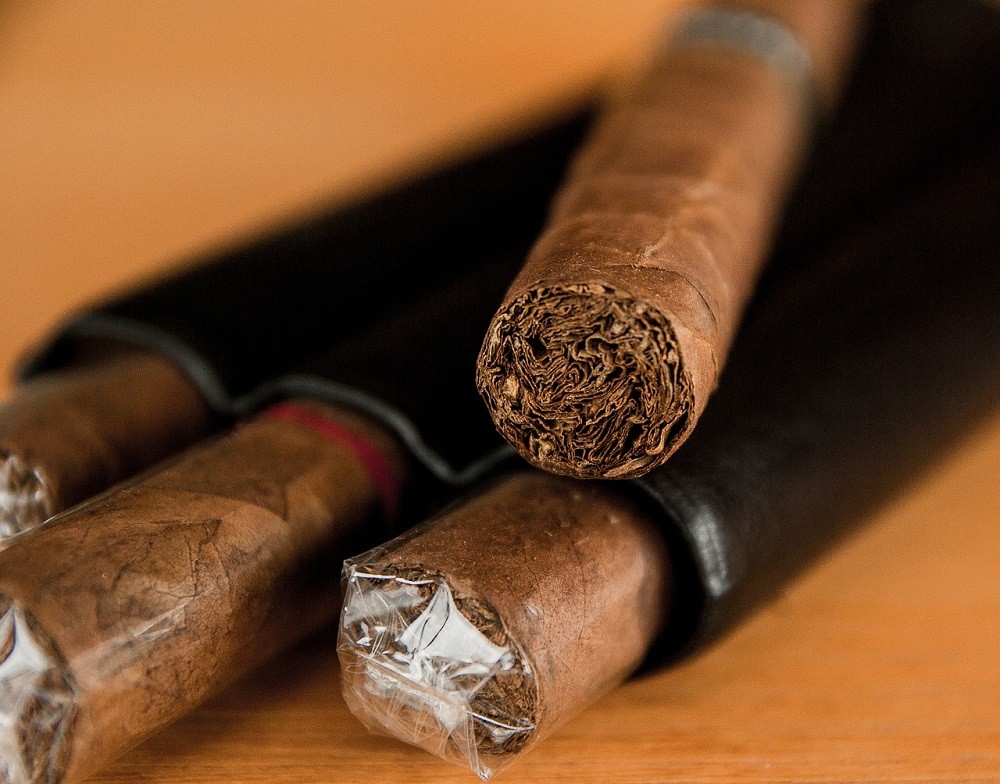
In the world of cigars, there are unwritten rules that most seasoned cigar smokers follow. These codes of conduct distinguish the experienced from the newbies. To save yourself potential embarrassment, this beginner's guide to cigar etiquette covers the basics you should know before lighting up your first cigar.
Cigars are typically enjoyed in relaxed settings as a way to unwind after a busy week, to celebrate a milestone like a wedding or childbirth, or to just kick back with good company. No matter how you enjoy your cigars, enjoy them respectfully and in moderation.
Choose The Right Cigar
Cigars come in a wide variety of shapes and sizes. If you aren't sure where to start, ask a friend who's into cigars for some recommendations, speak to the tobacconist at your local cigar shop, join cigar groups on social media, and look at some reviews.
Different types of tobaccos will produce different flavour profiles. Research a range of cigar types before trying your first. If a friend offers you a cigar, don't ask them if it's a Cuban. That's just bad manners.
And remember: you don't need to spend a lot for an enjoyable experience. Great sticks come in all price ranges. You just might need to do some digging to find them.
Avoid Putting Cigars In Your Mouth Before Cutting The Cap
Do not put your cigar in your mouth before you cut the cap. Sticking your cigar in your mouth or licking the cap is not only rude, but also looks goofy.
We do not recommend doing this, even if you are using your own cutter. Properly stored cigars (in humidors, wineadors, or tupperdors) will contain some moisture (typically 62-72% humidity). In most cases, the cigar will not split when you cut off the cap.
Use A Proper Cutter (Don't Cut Or Bite The Cap Off)
Using a proper cutter to cut the cap off your cigar will ensure you have a proper draw and get to experience the flavours as much as possible. There are 3 main styles of cigar cutters:
- Straight cut (sometimes referred to as a guillotine): as the name implies, it makes a straight cut through the cap. A straight cut will typically make the draw of smoke through the cigar easier and allow the cigar to burn cooler.
- V-cut: cuts a deep V into the cap of the cigar. Some people claim the V-cut creates more surface area, thus giving you more flavours, but this has not been scientifically proven.
- Punch cut (sometimes referred to as a bullet cut): typically a ¼" hole that is punched through the center of the cap, giving the cigar a more concentrated draw. Some seasoned smokers claim that the concentrated smoke gives you more flavour.
Do not bite the cap off of your cigar. This can ruin the structural integrity of the cigar, causing it to crack or unravel.
Light Your Cigar With The Correct Lighter
Avoid using gas station lighters. The fluid in these lighters will give your cigars a bitter, off-putting taste, and the lighter itself will likely burn your hands, since it's not designed to stay lit for extended periods of time.
For cigars, you want to use either a soft flame lighter, a torch lighter, or a match. Soft flame and torch lighters use butane, which will not give the cigar any foul flavours. If you are using a match, strike it and wait for the head to burn off. Then you can light your cigar or transfer the flame to a cedar spill for a truly Cuban cigar-lighting ritual.

Take Your Time And Remember To Toast The Foot
Unlike cigarettes, lighting a cigar takes time and a bit of skill. The technique most cigar smokers use is called "toasting the foot".
Toasting the foot of a cigar seals the outer leaf (the wrapper) to the middle (the binder) and inner (filler) tobacco leaves at the lit end. Properly toasting the foot of your cigar will ensure that all the tobacco leaves burn evenly. Toasting also helps bring out more flavours.
The proper way to toast the foot of a cigar is to hold the foot at a 30- to 45-degree angle just above the flame of your lighter and slowly rotate it until you have an even ¼" to ½" grey char all the way around the cigar.
Once you have an even char around the foot, move the flame to the filler tobacco and light it until it turns grey and has bright red embers. Take 2-3 long puffs to stoke the embers then slowly blow through the cigar. This will help kick-start the ember and push out any impurities or bits of tobacco stuck in the cigar.
For a step-by-step guide on toasting the foot of a cigar, read our article How To Properly Light And Toast The Foot Of A Cigar.
Don't Smoke Your Cigar Too Fast
Smoking a cigar too fast can make you very sick very quickly. If you begin to sweat profusely, feel nauseous, or develop blurry vision, stop immediately.
Some seasoned cigar smokers keep sugar packets with them. Putting sugar on your tongue when you start to feel ill can help reduce the feelings of nausea.
You should be taking 1-2 draws from your cigar every minute. A typical robusto sized cigar (5" by 50 ring gauge) should take anywhere from 45 minutes to an hour and a half to enjoy.
Watch Your Burn And Know When To Touch-Up Your Cigar
The main reasons a cigar will start burning unevenly include: improper lighting techniques (refer to our advice on toasting the foot), weather conditions and wind, improper storage (too high/low humidity), or construction issues like being rolled too tight or too loose.
The most efficient way to fix an uneven burn on a cigar is to take your lighter and touch up the spot that is burning slower. Take the flame to it and light the unburned area until it matches with the faster burning side.
Another method is to lick your thumb and wet the tobacco just below the burn line on the side of the cigar that is burning faster. You may need to repeat this two or three times if the burn is really uneven.
For more cigar touch-up tips and techniques, refer to our article Never Ruin A Cigar Again: The Best Touch-Up And Relighting Tips.
Be Mindful Of Your Cigars Ash
You should remove the ash from your cigar once it reaches around 1" in length. Any longer and you risk the ash falling on your lap.
Cigars made from short-filler tobacco will need to be ashed more frequently than cigars made from long-filler tobacco. Once you see vertical cracks starting to form in your ash, it is time to drop it off in the ashtray.
To ash your cigar properly, slowly roll the burn line along the edge of the ash tray. You do not need to apply any pressure or tap the cigar. The ash should naturally fall off.

NEVER Blow Smoke In Peoples Faces
Blowing smoke in people's faces is extremely disrespectful and should always be avoided. Under no circumstances should you even consider doing it. If you are dealing with a jerk while enjoying a cigar, our guide on How To Survive Jerks has many ways to handle them that don't resort to stooping to their level.
If you are smoking with friends, be mindful of wind direction and try to blow your smoke into the wind so it gets carried away from, not toward, your company. If you are smoking indoors, be considerate of those around you. Try not to blow smoke in their general direction if possible.
Take The Cigar Band Off When Appropriate
When the ash from your cigar gets near the band, rotate the band to loosen it then peel it off with your fingernail. Cigar bands are glued on using pectin glue, which is non-toxic. The heat from the cigar will gradually warm up the glue, making it easy to remove.
Once you have removed the cigar band, do not crumple it up or throw it on the ground. Some people believe it is disrespectful to crumple up a cigar band after you take it off. Place it in your pocket or beside the ash tray if you are smoking indoors.
You can keep smoking the cigar past the band. Many seasoned cigar smokers will smoke a cigar right down to the last inch to get as much enjoyment possible out of their sticks. Some cigar aficionados may give you a dirty look if you finish your cigar when the burn reaches the band.
Do Not Stamp Your Cigar Out When You Are Finished
When you finish your cigar, avoid the temptation to smoosh it into the ash tray. Smooshing your cigar will create an unpleasant odour that will linger in the air and permeate your clothes.
Instead, place the end of the cigar in the ashtray and let it go out on its own. Many cigar smokers say this method is letting the cigar "die with dignity", giving respect to all the many sets of hands that were involved in the creation of the cigar.
There is a faster way to extinguish your cigar if you are in a rush. Learn how in our article How To Properly Put Out A Cigar.
Summary
Cigars are meant to be enjoyed in a relaxed manner. Smoking a cigar should be an almost meditative experience. Understanding proper cigar etiquette will ensure that your experiences are pleasant for you and respectful to those around you.
Interested in learning more about cigars? Check out our other articles including:
When you subscribe to the article, we will send you an e-mail when there are new updates on the site so you wouldn't miss them.
Article's Categories

Most Popular Articles


Article Latest Comments

Comments