

The Esteemed Gentleman Articles
6 MORE Fragrance Myths Most People Believe
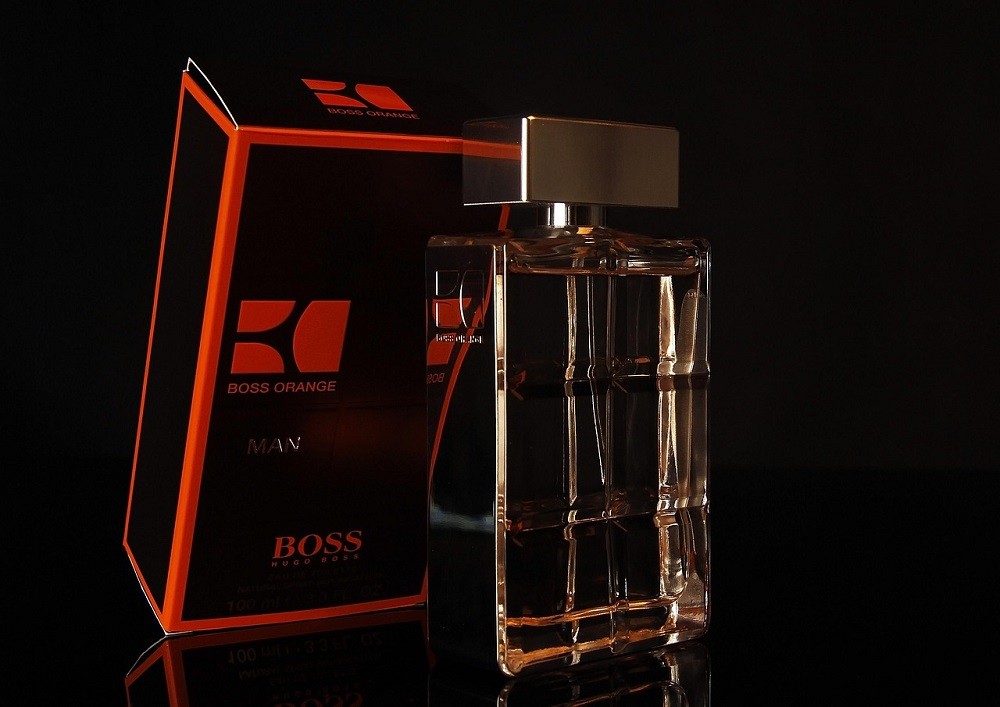
In a previous article, we debunked 6 fragrance myths most people believe. While researching that article we came across even more myths that are being touted as facts. In this article, we will disprove 6 more myths about fragrances and explain why they are false.
Fragrance Myth #1: Clone Fragrances Are Trash
Let us make one thing clear: clones are not the same as knock-offs. Clone fragrances are affordable alternatives designed to smell similar to popular, typically more expensive, fragrances. They are usually 85-95% similar to the fragrance they are trying to emulate but may be missing some of the more nuanced scents found in the original.
Clone fragrances are somewhat of a grey area as some fragrance enthusiasts believe they are plagiarizing intellectual property while others appreciate the affordability. No matter what side of the debate you find yourself on, know that they are not illegal.
Knock-offs, on the other hand, are illegal. They are blatant copies of original scents. Knock-offs will copy everything from the bottles design and label, right down to the boxes the fragrance comes in. The concentrations are usually watered down and will not last more than a few minutes on skin.
A Quick Word on Knock-Offs: If you see a bottle of fragrance for sale online for much cheaper than it typically retails for, do not be tempted! There are websites specifically designed to scam you out of your money and once you realize you never received the product, the website is taken down and there's no way to get your funds back.
Fragrance Myth #2: Fragrances Expire
Contrary to popular belief, fragrances can indeed expire. Like many products, they begin losing their effect within a certain amount of time (typically 24 months or more). Factors like concentration, how often you spray it, and size of bottle all play roles in how quickly a fragrance will expire.
A small 30ml bottle of Eau de Cologne that you wear two or three times a week will expire much faster than, say, a 100ml parfum concentration of Upper Class by Royal Crown you wear only for special occasions.
You can greatly extend the life of your fragrances by storing them out of direct sunlight in cool, dry places (like a cupboard or sealable box). Always keep the caps on when not in use and avoid large temperature changes. Learn more helpful tips in our article A Simple Guide On How To Make Your Fragrances Last Longer.
There are several ways to tell if a fragrance has expired including:
- Cloudy or yellow-tinted liquid (compared to a brand new bottle).
- Sour, bitter, rancid, vinegary or weak scent when sprayed.
- Significantly less liquid in the bottle than you remember (atomizer may be leaking, allowing air in which is oxidizing the liquid inside).
- Uneven spray when atomizer is depressed could be a sign that there is gunk built up in the atomizer, a sign that the fragrance is starting to separate.
If your fragrance has expired, throw it out. There are no proven ways to rejuvenate it.
Fragrance Myth #3: Tester Fragrances Are Stronger Than Retail Bottles
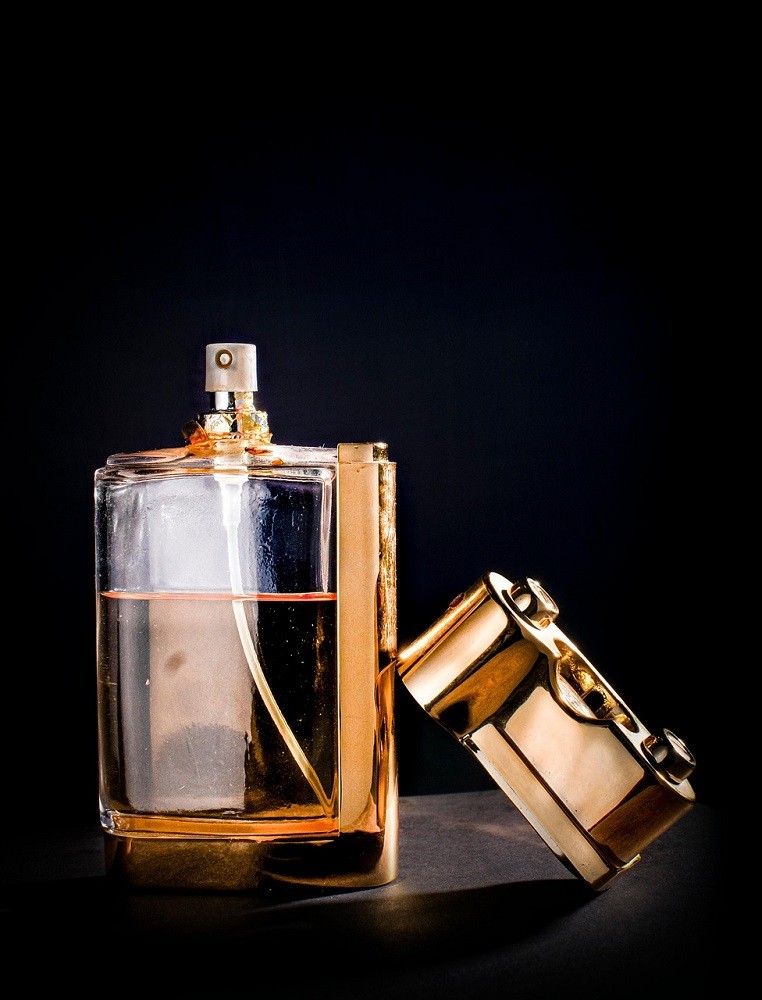
Physical stores often have tester bottles of fragrances they carry so you can try them on before making a purchase. Some people believe that these testers are somehow stronger than the sealed bottles.
The only difference between tester bottles and the bottles for sale is that the tester is often missing its cap (this is intentional. Caps can go missing or be stolen so they are often shipped without) and they will have either a sticker or label on the bottle that says 'tester'. Aside from those two physical differences, they are exactly the same.
Testers may smell different in stores due to the abundance of other fragrances that may be lingering in the air. Sometimes a fresh tester bottle will smell 'sharp' for the first few sprays until air gets introduced into the bottle.
Fragrance Testing Tip: There are two ways to test a fragrance before buying: using a blotter and spraying directly on your skin. Learn the pros and cons of both methods in our helpful guide: How To Properly Test Fragrances Before Buying.
Fragrance Myth #4: You Cannot Wear Two (Or More) Fragrances At A Time
Contrary to popular belief, yes, you can wear two fragrances at once. This is known as 'layering'. Layering fragrances adds depth and complexity by accentuating specific notes in complimentary scent families.
When layering, you want to apply your heavier, more potent fragrance first. Give it a moment to dry before applying the next layer, which will be the lighter of the two. Avoid wearing contrasting scents.
Less is more when layering. Since you are wearing two scents, you only need to apply 1-2 sprays of each. Over-spraying can cause one scent to overpower the other, drowning it out completely.
Fragrance Myth #5: Designer Brands Are The Best Quality Money Can Buy
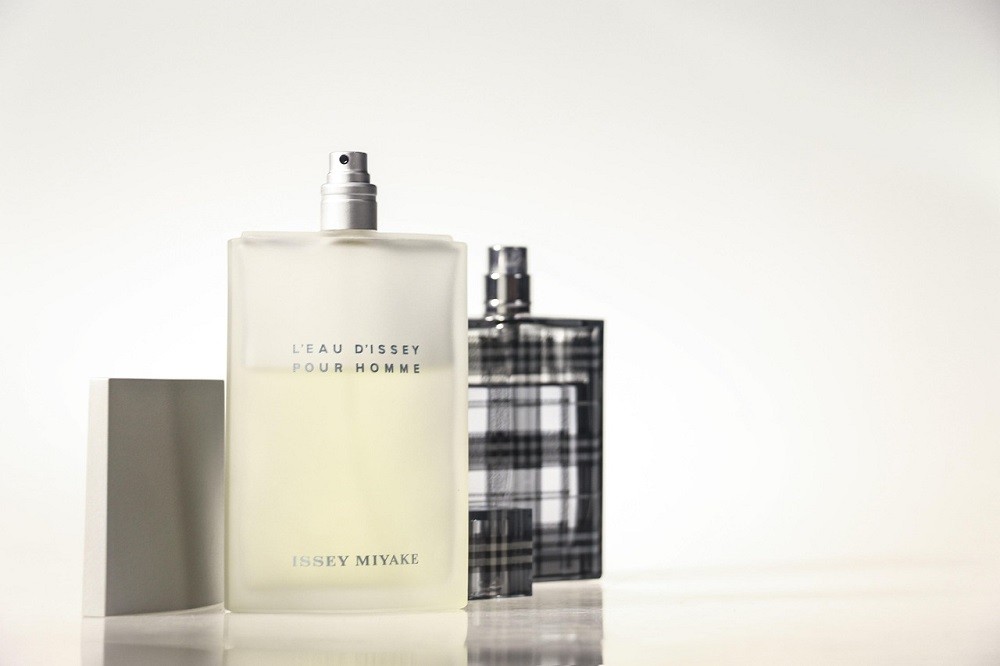
In the world of fragrances, there are two main families of brands: designers and niche. Designers are the big names you see at department stores whereas niche brands are considered boutique and lean more towards artisanal, small-batch products that may not appeal to the masses.
Both designer brands and niche brands have their pros and cons (a subject for a future article). It is impossible to say that one is better than the other.
Designer brands create fragrances that appeal to large groups of people (profit first), while niche brands take a more artistic approach and create unique scents that are unlike anything else on the market (personality first).
Designer brands use large advertising campaigns and celebrity endorsements to help sell their products. They have massive production facilities that can pump out large quantities of products at a much faster and larger scale than niche brands.
Niche fragrances may cost a bit more than most designer fragrances, but you are paying for higher-quality ingredients, exclusivity, and something more personal than what can be found at every major big-box store.
Scent is subjective. If you want something mass-appealing then designer fragrances will appeal to you, but if you want something unique and uncommon, then niche brands are the way to go.
Fragrance Buying Tip: If you are someone just starting your fragrance journey, it is a good idea to have both a mass-appealing scent that is safe to wear in common places ('office-friendly') and something more unique you can wear on dates, special occasions, and as a signature scent. Not sure what your signature scent is? Find out How to Find Your Signature Scent in this article.
Fragrance Myth #6: Storing Your Fragrances In The Fridge Will Make Them Last Longer
You may have heard the myth that storing your fragrances in your fridge will make them last longer. While there is no scientific study to prove this, we highly recommend against it. There are a few reasons why:
The constant temperature fluctuation from opening and closing the door can cause irreversible damage to the molecules. Depending on how cold your fridge is, you could cause the molecules inside your fragrance to freeze.
If your bottle does not have a cap, or the cap is built in to the bottle, your fragrance could absorb other smells from inside your fridge. Strong smelling foods like certain cheeses, onions, garlic, and sauerkraut can alter the scent profile of your fragrances.
Even though fridges are cold, they are dry. Storing a fragrance inside your fridge can cause them to evaporate faster. The scent of your fragrance could also leech into other foods, meaning the leftovers you packed for lunch tomorrow may have a faint taste of Fat Electrician.
Summary
Now that you are aware of these myths and why they are myths and not facts, help stop the spread of misinformation by sharing this article with your fragrance-loving friends and family. We all learn better when we learn together.
Want more fragrance-related content? Read these articles next:
When you subscribe to the article, we will send you an e-mail when there are new updates on the site so you wouldn't miss them.
Article's Categories

Most Popular Articles


Article Latest Comments

Comments