

The Esteemed Gentleman Articles
Debunking The Top 10 Myths In Watch Collecting
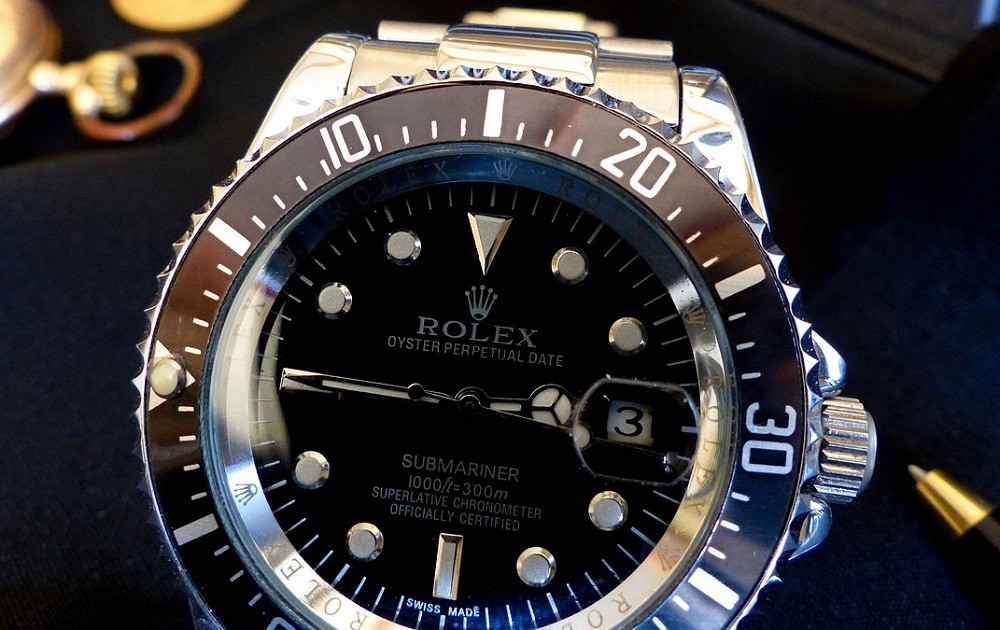
Watch collecting can be a fun, exciting experience. From purchasing your very first timepiece to finally getting that grail watch you have been saving up for years, every watch you add to your collection should tell a story and have some meaning to you.
It is important to remember that collecting is not a race. Every watch connoisseur moves at their own pace and has their own requirements and prerequisites to what adds value to their collection. Some may be content with just a handful of carefully chosen pieces while others want to collect them all.
No matter how big your collection is (or will eventually be), there are some very important tips you should remember that will save you money and prevent buyer's remorse. In this article we will review 10 watch collecting myths and offer some watch buying advice. Let's begin:
Watch Collecting Myths And Misconceptions
Along your watch collecting journey, you will encounter other enthusiasts who may try to persuade you to purchase a specific piece or give you advice on how you should curate your collection. They may even try to convince you to buy something way outside of your budget.
Some collectors will warn you against specific brands while others will praise the very same brand. It is up to you to decide what your collection needs and make an informed decision based on your own research.
That being said, there are some very important pieces of advice you should know before purchasing any watch. Here are what we believe are the top 10 watch collecting myths and misconceptions you should be aware of:
Myth #1: Watches Should Be Used As An Investment
Collecting watches for the sole purpose of investing is not a good idea as most watches take a very long time to appreciate in value. Even then, most ordinary watches will not see a large rate of return.
Discontinued, rare, and limited edition models will appreciate faster than standard watches, but these are almost always more expensive and get bought up immediately by people trying to flip them for a quick profit.
Similar to stocks, watch prices fluctuate based on a number of factors including supply and demand, strength of the economy and inflation. Even big watch brands like Rolex have seen drastic price changes in recent months.
Myth #2: Only Luxury Watches Are Worth Buying
Someone just starting their watch collecting journey may believe that their collection should consist solely of luxury watches. While it is nice to have a couple high-end pieces in a collection, there are quality watches available at every price range.
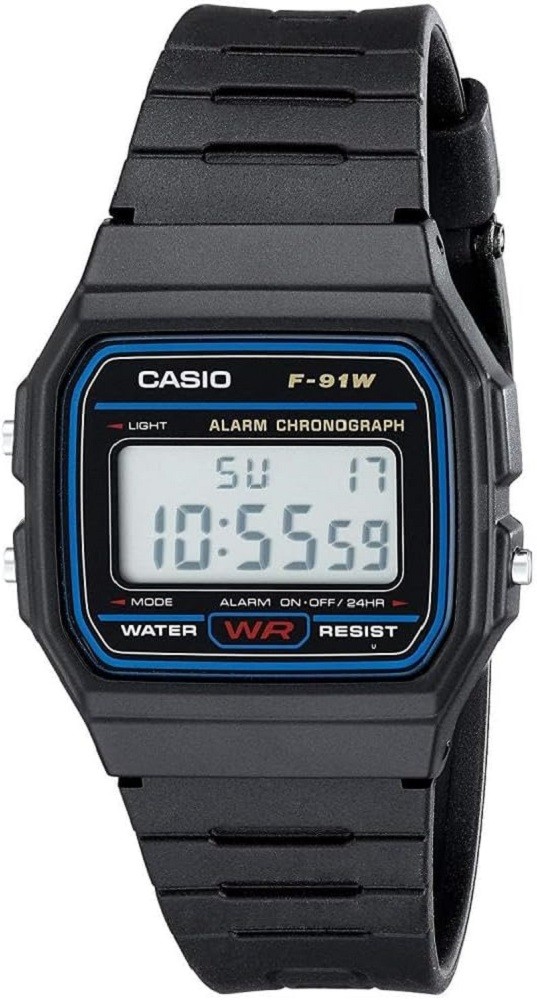
Affordable brands like Casio, Seiko, Hamilton and Bulova are all respected and appreciated by many watch enthusiasts. Even the $20 Casio F-91W is widely considered a fantastic watch to have in any collection.
When collecting watches, it is always good to remind yourself to buy for passion, not for price tags. Not everyone you encounter will appreciate your watch as much as you do, even if it costs thousands of dollars.
Myth #3: Vintage And Pre-Owned Watches Are Junk
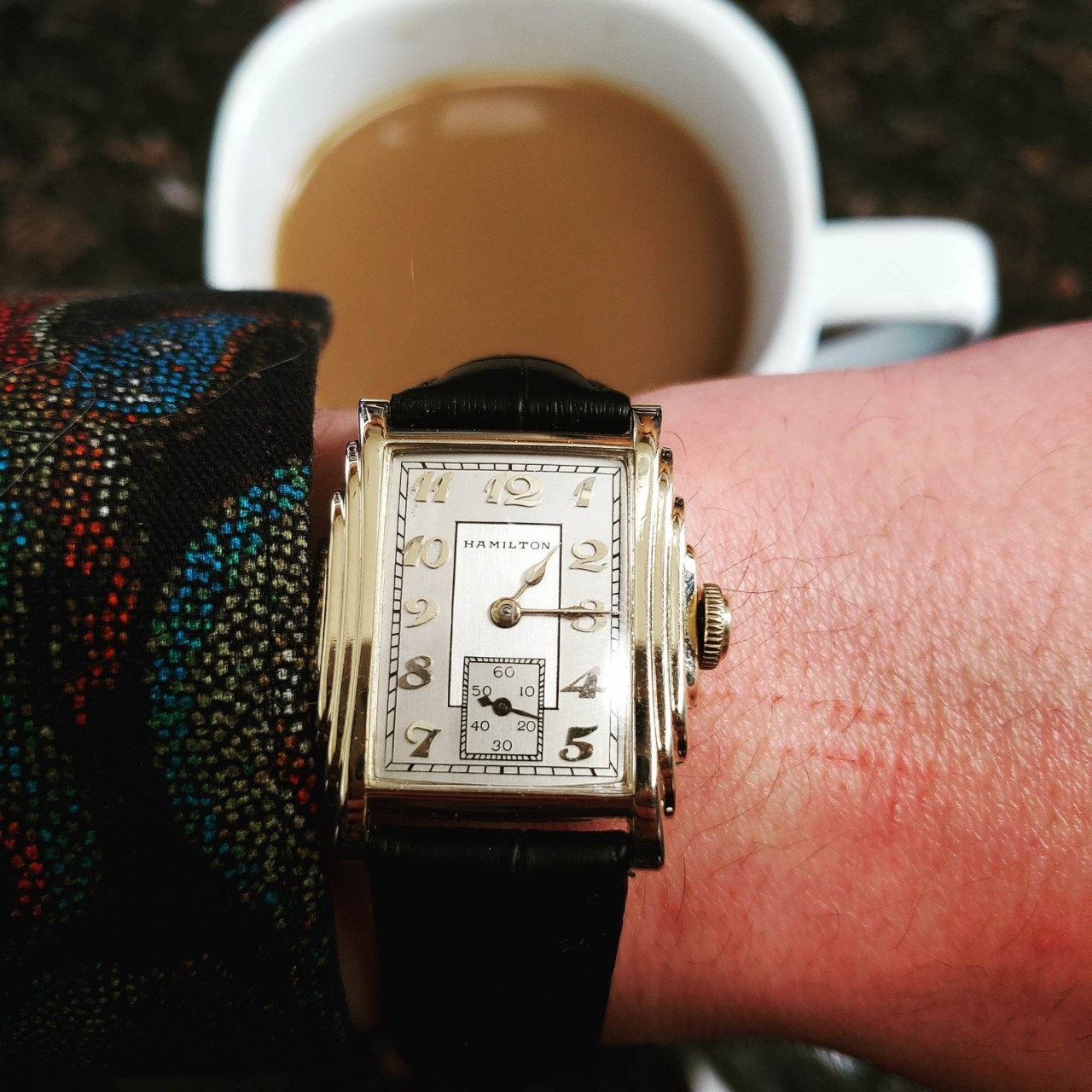
Buying a watch that already has scratches, discolouration (also known as 'patina'), or requires a service is not appealing to some collectors. Some people may see a watch from the 1920s or 1930s and think it is inferior to modern timepieces. Yes, technology has come a long way and newer watches are generally more accurate, but vintage watches tell a story.
Vintage watches showcase the history of the watch industry and the trailblazing innovations along the way. From early 1700 fusee movements to 19th century railroad watches to pre-quartz battery powered watches in the 1950s and 60s to the first digital and solar watches in the 1970s, vintage watches should not be overlooked or scoffed at.
If you have a smaller wrist, or prefer wearing smaller watches, then vintage watches may be for you, because of their smaller size, they slide under shirt cuffs easier and they can look very elegant when worn with formal attire.
If you search hard enough you can find vintage watches for bargain prices. Some people who inherited their parent's or grandparents' watches, may not know much about them and put them up for sale at low prices. (Rex, the creator of The Esteemed Gentleman, has found some pristine watches from the 1940s for less than $20 because they were listed as 'dead battery' watches).
Note: Buying vintage watches can be intimidating, especially if you are not sure what to look for or what questions to ask the seller. If you are planning on buying a vintage watch, please read our article What You Need To Know Before Buying Your First Vintage Watch. It will help you make an informed decision.
Myth #4: Quartz Watches Are Bad
Some watch enthusiasts turn their nose up at quartz watches. To them, they are cheap, soulless and boring. They lack the expert craftsmanship found in mechanical watches and almost caused the traditional watch industry to collapse in the 1970s.
Although quartz watches may not be favoured by a small group of collectors, that does not mean that they should be avoided altogether. Not only are quartz watches more accurate than mechanical watches, but they are typically more affordable and come in a wide variety of styles and designs to suit practically any taste.
Many people start their watch journey with a quartz watch. The most complicated thing many owners will ever do is change the battery, which can also be done at any watch repair shop for a small fee. Yes, quartz watches should be serviced every now and then but due to the lack of moving parts inside the case, services are few and far between.
Most quartz watch owners will agree that their quartz watches are the most dependable in their collection. Rarely will they have to adjust the date or time when putting one on. For more information on quartz watches, read our article The Pros And Cons Of Quartz Watches.
Myth #5:Overwinding Mechanical Watches Will Damage Them
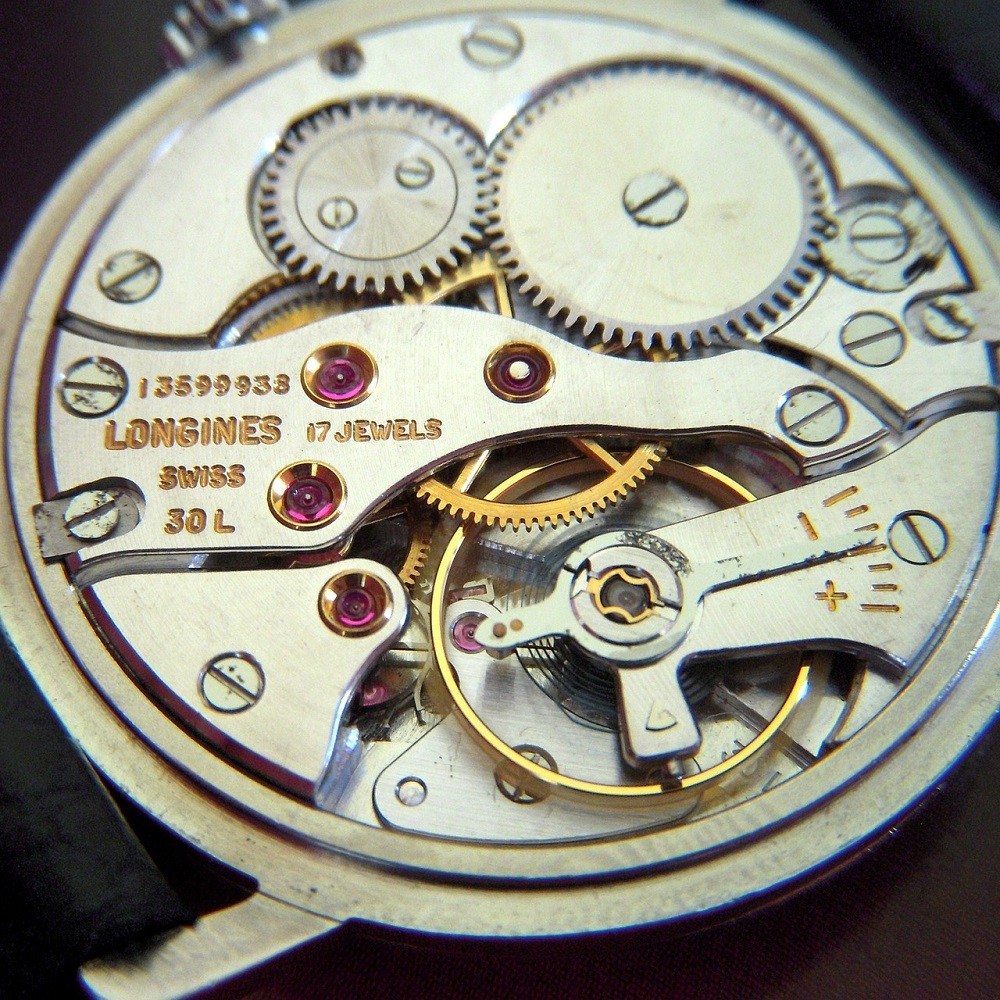
The two most popular styles of mechanical watch movements are automatic and manual wind. Both of these styles require the movement to be wound by hand (automatics can be shaken, but it is best to start them off with a few winds of the crown before a gentle shake).
If someone has never wound a mechanical watch before, they may not know how much they need to wind it to keep accurate time. Winding a mechanical watch requires the wearer to rotate the crown which transfers energy into the movement, making the watch run.
Modern mechanical watches have a device built in to the movement called a 'slipping clutch' or 'slipping mainspring' which prevents the watch from being over-wound. If someone winds the watch too much, this device will disengage the main spring from the barrel, preventing over-winding and protecting the movement.
Vintage manual wind watches will increase in tension to a point where it is almost impossible to turn the crown any more. Going past this point can damage the watch, but it does require a bit of extra strength and completely ignoring the signs that the movement is already wound up enough.
Note: Not winding a mechanical movement enough can result in inaccurate timekeeping as the movement does not have enough energy stored to keep it running at a regular pace. A vintage manual wind movement may have to be wound up multiple times a day to stay accurate.
For more information on mechanical watches, read our article The Pros And Cons Of Mechanical Watches.
Myth #6: Bigger Watch Collections Are Always Better
Size doesn't always matter, especially when it comes to the size of your watch collection. Some watch collectors are perfectly content with owning just a few curated watches where others enjoy the variety that several full watch boxes bring.
A smaller watch collection may give you a deeper appreciation for each piece and reduce the amount of time deciding on what watch to wear. Fewer pieces also mean the overall service and maintenance costs will be lower.
A larger watch collection can showcase your journey from your first watch to your latest acquisition. Some collectors pride themselves on collecting every release from a brand, a specific type of watch (like chronographs), or having a wide array to suit whatever mood they are feeling at that moment in time.
There is no right or wrong answer on how big your watch collection should be. Build it at your own pace and admire the pieces you have. There is nothing wrong with selling a piece from your collection if it no longer brings you joy or if you want to save up for another watch. As you grow, so will your collection.
Myth #7: Rolex Is The Best Watch Brand Ever
Rolex is one of, if not, the most recognized watch brand in the world, there is no doubt about that. However, one common mistake many watch newbies make is assuming that Rolex is the pinnacle of watches and that no other brand compares.
In many ways Rolex is like the Ferrari of watches; well known, a status symbol and a sign of luxury. Also like Ferrari, they are not the only brand of that caliber. Other watch brands like Omega, Jaeger-LeCoultre, A.Lange & Söhne, and Cartier all have horological history and are comparable to Rolex when it comes to quality and luxury.
What makes Rolex so popular is their ability to spend $100M+ annually on advertising, helping spread brand awareness and getting the name in front of as many eyes as possible. Other watch brands cannot compete, yet there are brands even more prestigious than Rolex.
The holy trinity of watches consists of three brands that most watch enthusiasts will agree are the best in the business. They are Patek Philippe, Audemars Piguet and Vacheron Constantin. These iconic brands will set you back a pretty penny, but if you admire ingenuity, attention to detail and have a deep admiration for watchmaking, then you should check them out.
Myth #8: Buying Watches Purely For Status
Buying watches for status or to appeal to someone else is not what collecting is about. Do not put yourself into debt trying to impress other people. Y our collection should reflect your personal taste, interest, and curiosity, not someone else's.
Owning a rare or expensive timepiece is nice, but you should own it and wear it because you like it, not to seek approval from others or because you believe that your life will drastically improve with it.
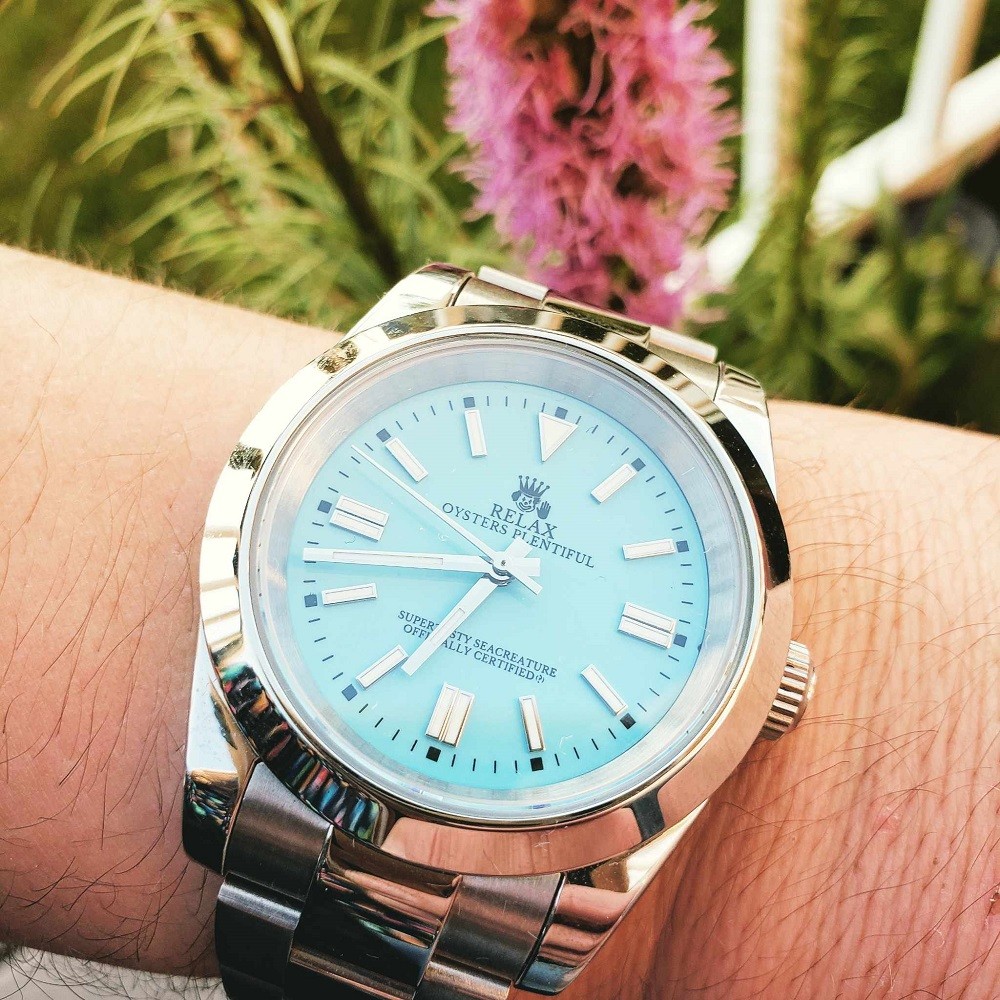
If you see people flaunting their collection of expensive watches on social media, it is safe to assume that their watches are counterfeits, knock-offs, or props. The vast majority of watch collectors would not be showcasing their entire expensive collection to strangers online, even if they had hundreds of thousands of dollars' worth of watches in their collection.
You don't know who may see your posts on social media. If you want to learn more about the dangers of flaunting your wealth online, read our article Why You Should Not Flaunt (Or Flex) Your Wealth On Social Media.
Myth #9: Expensive Watches Do Not Need To Be Serviced
A common misconception amongst newcomers in the watch world is that expensive watches do not need to be serviced. They often believe that expensive watches are made from materials that do not degrade or cannot justify spending more money on it.
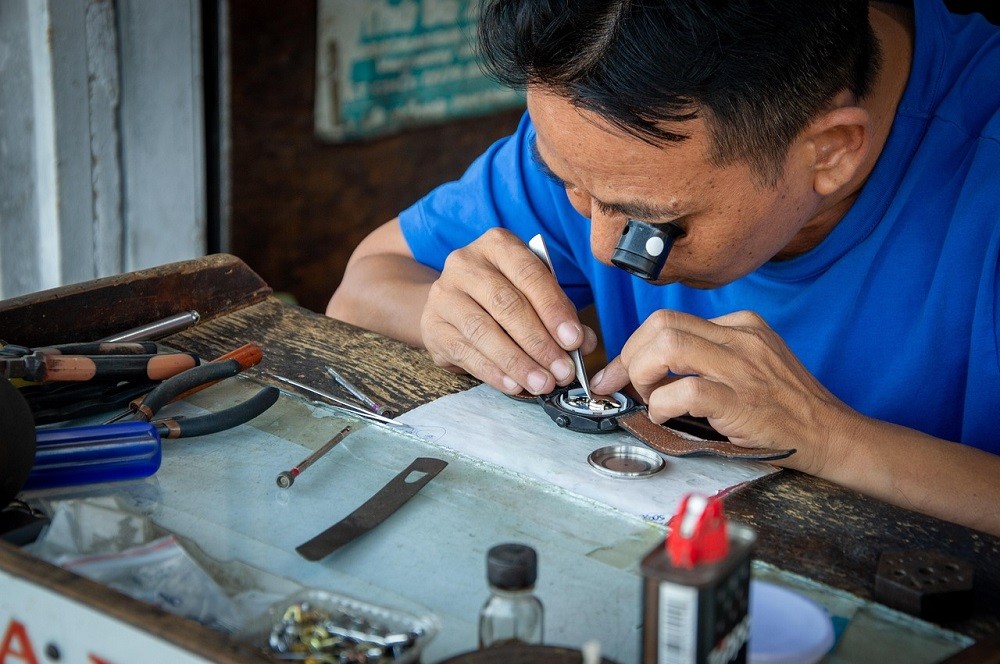
Just like an expensive car, an expensive watch needs to be maintained if you want it to last. Part of this care includes taking it in to get serviced on a regular basis. Expensive watches may be made from high-quality material and parts, but the oils can still get gunked up and parts can wear down over time.
If you plan on adding an expensive watch to your collection, be aware that services will cost more than that of a cheaper watch. Expensive watches should be taken to a reputable repair shop that is certified to work on that specific brand. They will have the correct parts and oils that the manufacturer recommends.
Myth #10: 'Swiss Made' Means 100% Made In Switzerland
One of the biggest misconceptions in the world of watches is that Swiss-made watches are 100% made in Switzerland. Seeing a watch with a 'Swiss made' stamp on it may have you believing that the entire watch was manufactured and assembled in Switzerland, but the truth is, a watch can be considered a Swiss made watch as long as it meets these four specific criteria:
- The movement inside the watch was manufactured in Switzerland
- The case was made in Switzerland
- The final inspection on the watch was carried out in Switzerland
- At least 60% of the manufacturing costs of the entire watch was generated in Switzerland (Development, prototyping, and production)
Other components like the dial, hands, indices, and straps can be made in other countries then shipped to Switzerland to be added to the watch. This does not mean that a Swiss-made watch is inferior, in fact, Swiss watches are subjected to the most rigorous inspections and certifications by the COSC before receiving a 'Swiss made' label.
Important Rules To Remember When Buying Watches:
Before purchasing a new watch, you should ask yourself a few questions like "Is this what I really want?" and "Will I wear this for years to come?" It can be easy to get wrapped up in hype or follow the crowd when a popular watch is released. Here are three important rules you should remember when buying watches:
Buy What You Like
With so many watches on the market, and brands releasing more every year, it can be difficult to keep your wallet in your pocket. You may see a new watch gain popularity with other watch enthusiasts, but if it does not appeal to you, do not buy it.
You should never buy a watch you will never wear, even if it is expensive. The watches in your collection should be enjoyed and admired. A watch cannot bring joy if it is sitting in a watch box for months or years at a time.
As your collection grows, your taste in watches may change. Never be ashamed of what you own (or once owned). You may develop an interest in a specific brand, style, or era. You may end up selling some pieces from your collection to help fund others. This is all part of the journey.
Beware of Influencers: The hype train is real. Some watch brands use influencers to push their products. Do not be persuaded to buy a watch just because you see influencers wearing it. They are often paid by the brand to promote the product, even if it is terrible.
Stick To Your Budget
Never let a watch purchase put you in debt or severely alter your spending habits. Financial responsibilities like bills, food, and shelter should always be paid off first. Any money left over can be put towards fun items like watches.
When saving for an expensive timepiece, it is a good idea to put some money away every paycheque into a separate account until you have enough to pay for the watch. Be sure to keep taxes and fees in mind, as they can add a few hundred dollars on to your purchase.
Purchase Advice: If you find a watch you really like, do not buy it right away. Think about it for a few days. Ask yourself how often you will wear it, what occasions you will wear it to and if the price is worth it. If, in a few days, you do not feel the same way you did when you first saw it, then it is not worth buying.
NEVER Buy Fake Watches
Fake watches are for fake people. If you are saving up for a luxury watch and see a cheap knock-off for sale, keep moving. Not only are these watches vastly inferior to the real thing, but other people will be able to tell it is a fake (even if they don't tell you directly).
Save up your hard-earned money and purchase the authentic watch. You will feel a great sense of accomplishment when you put it on your wrist and every time you do, it will remind you of your achievements.
Trust Your Gut: If you come across a watch that seems too good to be true, it likely is. Many fake watch sellers will try to convince potential customers that they work for the brand (or have a family member who does) or are an authorized dealer, but in reality, they are just making cheap knock-offs in a factory in a third-world country and trying to sell them for quick cash.
Always Be Aware of Scams: If you purchase watches online, always check the websites reputation before buying. Read reviews, check forums and reverse image search the watch you want to get. You may hear the saying 'Buy the seller before the watch'. This means you should do as much research into the seller as possible to ensure you will not be scammed. Once you trust them, then purchase from them.
Seedy websites steal pictures and make fake listings of popular and expensive watches to make a quick buck. Once people realize their watch hasn't arrived, they will try to contact the website only to discover it has been taken down. The people behind the scam website disappear without a trace and take your money in the process.
Summary
Watch collecting is all about the journey, not the destination. Remember that your collection should reflect your style, taste, and interest. Remember these myths and misconceptions next time you go to purchase a watch. Your wallet (and new watch) will thank you!
Want to know more about watches? Here are some of our other articles on watches:
When you subscribe to the article, we will send you an e-mail when there are new updates on the site so you wouldn't miss them.
Article's Categories

Most Popular Articles


Article Latest Comments

Comments