

The Esteemed Gentleman Articles
13 Important Bus Etiquette Rules Every Commuter Should Know
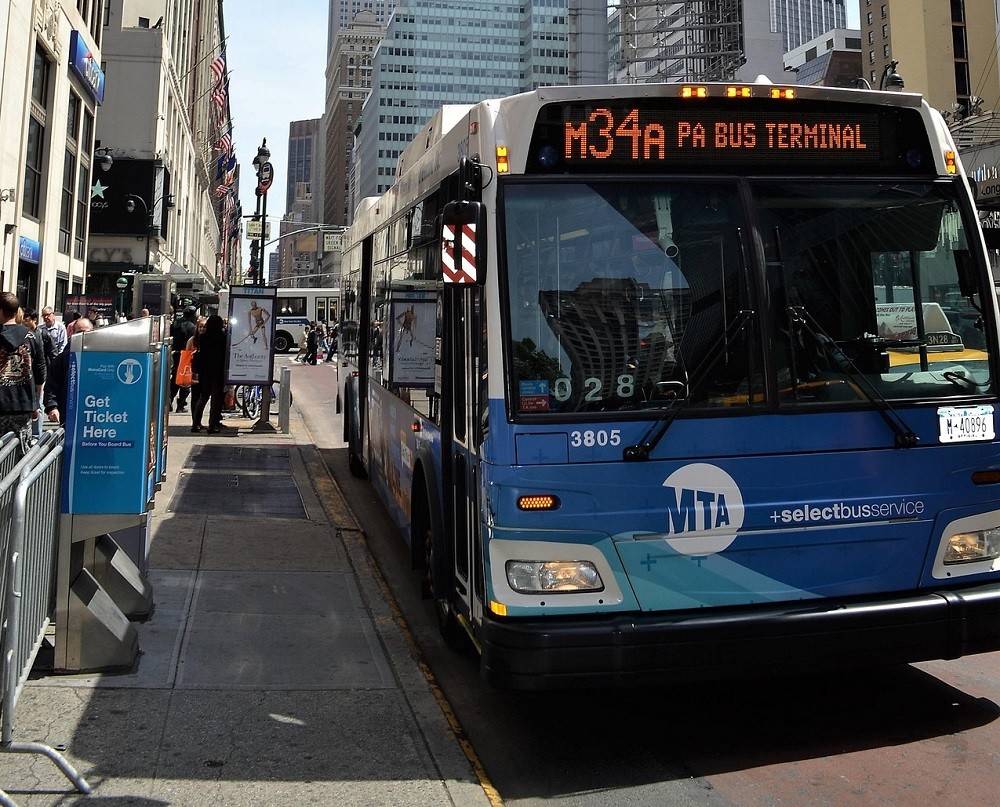
Riding the bus, or using any form of public transit, is something many people do on a regular basis. Here are 13 important bus etiquette rules every commuter should know. Practicing these simple manners will ensure your trips are less stressful and more enjoyable not only for you but for the other passengers on the bus.
Public Transport Tip: Many of these etiquette tips are not just for buses. They apply to other forms of public transit including trains, subways, light rail systems, and ferries.
Have Your Payment Method Ready Before Boarding
Have your ticket, fare, or pass ready to show to the bus driver before stepping on the bus. This helps reduce lines and keeps the bus running on schedule. If you need a transfer, a day pass, or to renew a ticket, inform the driver as soon as you pay or wait at the back of the line.
If you are paying with cash, try to pay with exact change. Not every bus driver will have spare change on hand. If you are using your smartphone to pay, ensure your phone is on and the app is open before boarding the bus.
Let Other Passengers Get Off The Bus Before You Get On
Be sure to stand clear of the doors and allow passengers to exit the bus before you get on. You can help speed things up by standing off to the side of the doors, creating a clear pathway for people to exit the bus.
Once all of the passengers getting off the bus have cleared the doors, you may enter. Board the bus in a single file and continue moving until you find an empty seat or a clear spot to stand that does not interfere with doors or other passengers.
Passenger Tip: When leaving the bus, be sure to be completely clear of the doors and away from other passengers before stopping. This prevents traffic jams of people getting off and on the bus.
Remove Your Backpack
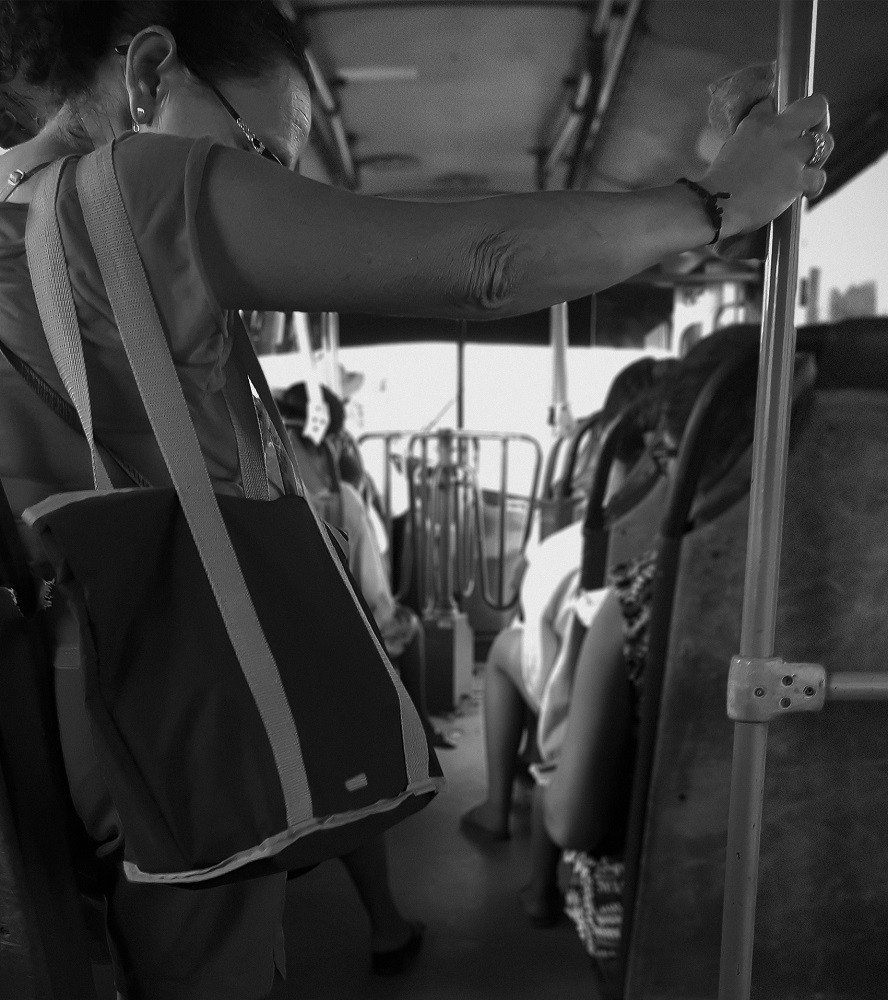
Once you have found a place to stand or sit, remove your backpack and place it either at your feet or on your lap. Doing so helps reduce aisle obstructions and the likelihood of smacking the person standing behind or beside you.
You can hold your bag in front of you if the floor is dirty or wet. Be sure to hold it low enough that it will not interfere with people who may be on their phones but not so low that you are knocking people's knees.
Keep The Bus Aisle And Exits Clear
Try not to stand directly in the middle of the aisle or to block the doors. This is easier to do on less crowded buses, but be mindful in crowded situations.
If the bus is crowded, move as far back as possible to allow more passengers to board. Be sure to stand away from the doors if possible. If this is not possible, you may have to step off of the bus to allow other passengers to exit then step back on before the doors close again.
Use the rear exit doors if you are near them. This reduces the amount of time new passengers need to wait before boarding and allows other passengers to move back, creating more space for the new riders at the front.
Respect The Priority Seats
Priority seats are typically marked either on or above seats located at the front of the bus. These seats are reserved for people with mobility issues, the elderly, pregnant individuals, and families with strollers.
Proper etiquette dictates that these seats should always remain empty for anyone who may need them. You may sit in a priority seat if the bus is relatively empty, but be ready to relocate should someone requiring those seats step on the bus.
Only Occupy One Seat
Refrain from occupying more than one seat whenever possible. Keep your belongings on your lap or at your feet. Taking up multiple seats, especially during peak times, will result in many passengers giving you side-eye stares and dirty looks.
Do not put your feet on the seats, especially if they are muddy or wet. Keep your feet on the floor and keep your shoes on. It is advisable to travel in closed-toe shoes to reduce the chances of your feet getting stepped on or kicked.

Be Aware Of Noise Pollution
If you like to listen to music, watch videos, or play games during your travels, please do so with earbuds or headphones. Noise pollution emanating from your device can be jarring to other passengers.
Consider waiting until you get home before jamming out to your favourite band or watching the latest episode of your favourite series. Most games have an option to mute sounds and music so you can play on the go without disrupting anyone.
Keep Conversation Volume Low
Be sure to keep conversation volume low when travelling with others. Talking loudly can disrupt other passengers and could lead to someone gaining sensitive information about you (like knowing when you will be going on a vacation; leaving your house empty and a perfect target for a break-in).
This etiquette rule also applies to phone calls. We highly recommend not using speakerphones or discussing important information while in public places. Wait until you are off the bus and somewhere more private before having a conversation that contains personal or confidential details.
Be sure to read our article Dos And Don'ts Of Speakerphone Use In Public Places for more helpful tips and advice.
Be Sure To Pick Up After Yourself Before Getting Off The Bus
No one likes travelling on a bus with clutter all over the seats and floor. You can help keep the bus clean by picking up after yourself when you get off. Check your seat for any litter like wrappers, coffee cups, or newspapers you brought with you when you stepped on the bus.
Doing a once-over before stepping off the bus also ensures you do not accidentally leave something valuable behind like your wallet, house keys, or sunglasses. Not every person is honest, so there is always a chance you may never get your lost items back.
If you find someone's valuables, give them to the bus driver. Every transit authority will have a special lock-up for lost items and they will attempt to contact the rightful owner if possible. If not, the person who lost their items can contact the transit company's lost and found.
What should you do if you find someone's wallet? Our article How To Handle A Lost Wallet: A Guide To Doing The Right Thing can help.
Absolutely No Smoking Or Vaping On The Bus
It should go without saying that smoking and vaping is strictly prohibited while riding the bus.
Second-hand smoke is dangerous to other riders, especially young riders and those within close proximity. The chemicals in smoke will drastically reduce air quality and can be irritating to other passengers. The smell can linger long after the smoker has left the bus.
Not to mention the risk of fires from falling ash or someone trying to dispose of a cigarette butt in a paper cup. Passenger safety is very important. Many jurisdictions enforce strict fines for anyone who tries to smoke on a bus.
Practice Proper Coughing And Sneezing Etiquette (Especially During Cold And Flu Season)
If you have to cough or sneeze, do so in a tissue or tuck your mouth and nose into your elbow. Avoid coughing or sneezing directly into your hand or completely uncovered. Not only is this unsightly but your germs can easily spread around the bus.
If you are worried about germs and other nasties that may be lingering in the bus, carry some travel-sized hand sanitizer and use it before and after travelling on the bus.
For more tips on sneezing etiquette, read our article Stop The Spread: Essential Sneezing Etiquette Tips You Need To Know.
Avoid Eating Stinky/Messy Food On The Bus
Smelly foods like curries, fish, eggs, and even fast food can be overpowering, especially in a confined space such as a bus. If you must eat while on a bus, opt for non-smelly foods like sandwiches, fruits (and fruit snacks), trail mix, and granola bars.
Messy foods like chips, burritos, and burgers should not be eaten until you get off the bus. There is a high probability that they will drop crumbs, drip, or spill. You may even stain your clothes or someone else's.
Remember To Thank The Bus Driver As You Leave
A small act of kindness you can do while stepping off the bus is to thank the driver. They spend all day dealing with grumpy passengers and have to navigate through traffic. A simple "thank you" as you leave can make their day.
Summary
Bus etiquette involves being thoughtful of other passengers, practicing good manners, and being considerate of the space you occupy while riding the bus. Public transit should be safe for all commuters. Practicing these tips will help keep it that way.
Want to learn more valuable etiquette tips? Read these articles next:
When you subscribe to the article, we will send you an e-mail when there are new updates on the site so you wouldn't miss them.
Article's Categories

Most Popular Articles



Article Latest Comments

Comments