

The Esteemed Gentleman Articles
Stop The Spread: Essential Sneezing Etiquette Tips You Need To Know
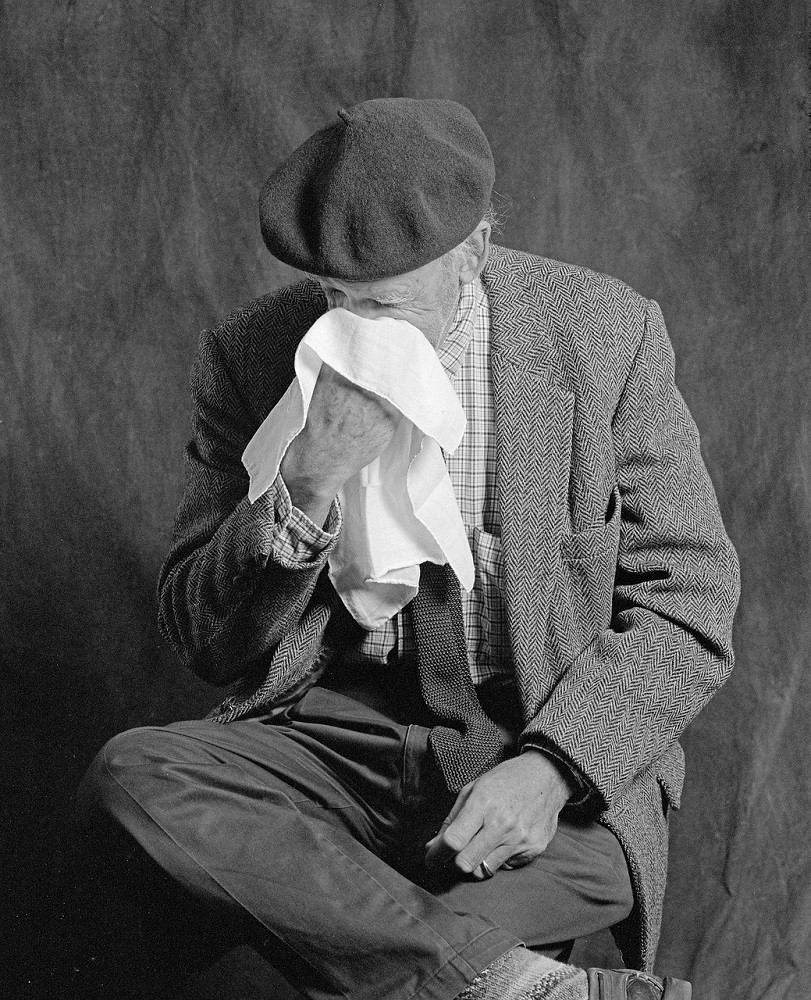
Sneezing is a normal bodily function that removes germs, dust, pollen, and other small molecules from our airways. Sometimes you will feel a sneeze coming, but other times, it will sneak up on you seemingly out of nowhere.
Regardless of your preparedness, there are some basic sneezing etiquette rules you should follow to ensure you do not spread any pathogens to other people. Here are what we consider the most important rules of sneezing etiquette:
Cover Your Mouth And Nose When You Sneeze
Covering your mouth and nose when you sneeze is the best way to prevent the spread of viruses and bacteria. Contrary to what you might think, germs from a sneeze can easily travel over 25 feet and remain suspended in the air for up to 45 minutes.
Avoid sneezing directly in to your hands. Germs live on surfaces for a few hours, during which time they can spread from your hands to everything you touch. Even plugging your nose when you sneeze does not fully prevent the spread of germs. Plus, holding in a sneeze can be dangerous.
The best way to prevent the spread of germs from a sneeze is to sneeze directly into a tissue or handkerchief. Be sure to immediately dispose of your used tissue in the trash to prevent any secondary exposure. Do not leave used tissues on counters, shelves, or jammed between seats on public transit.
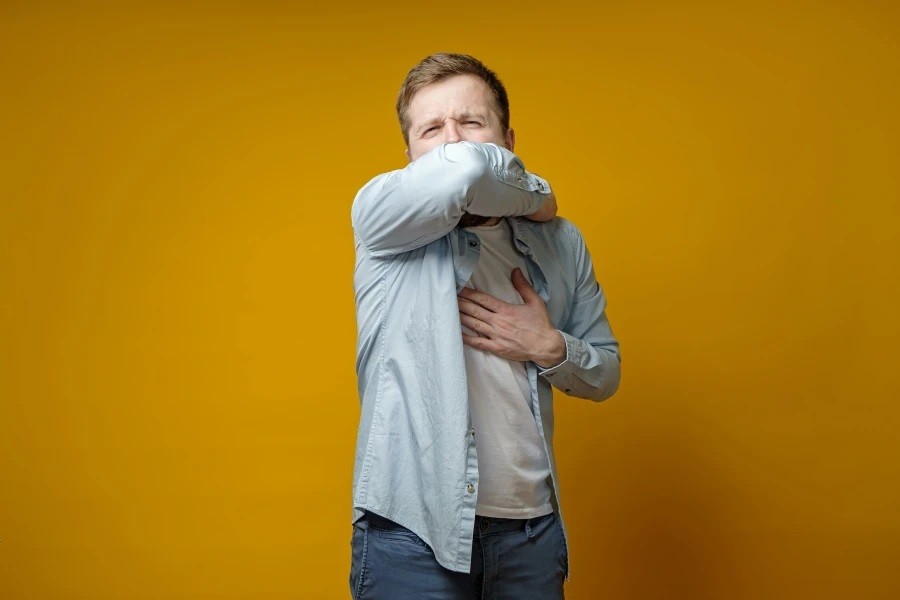
If a sneeze catches you by surprise, and you do not have time to grab a tissue or handkerchief, sneeze directly in to your elbow. For maximum coverage, bring your arm up to your face, bend at the elbow, and tuck your nose into your sleeve. Doing this will help reduce the chances of airborne pathogens.
Wash Your Hands After You Sneeze
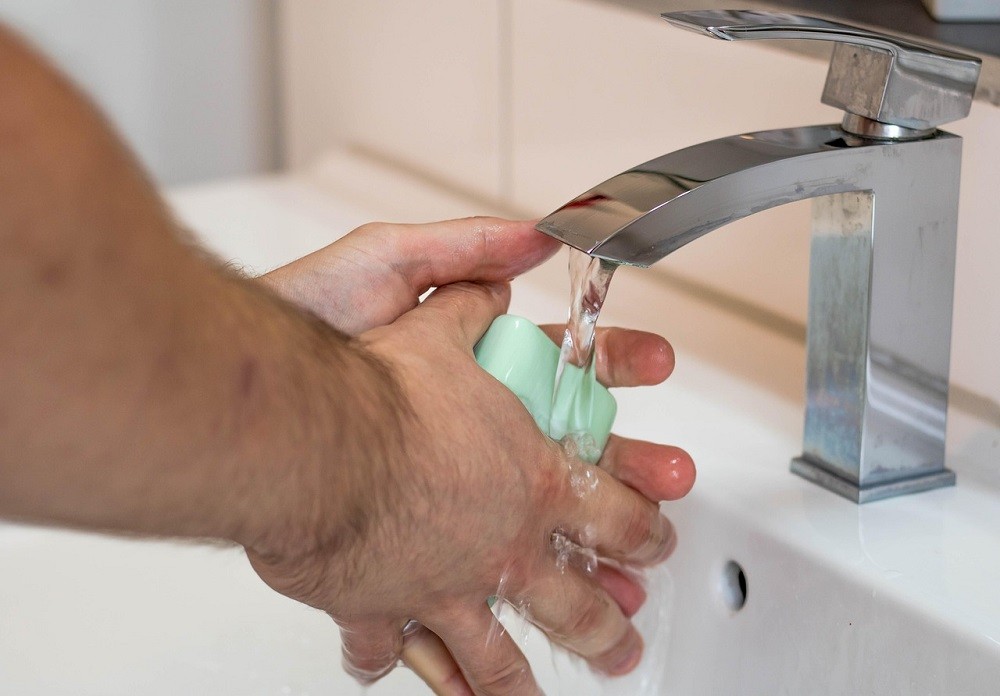
Thoroughly washing your hands for at least 20 seconds with soap and warm water will remove lingering microbes that may be on your hands. Be sure to get under your fingernails and scrub your wrists, too.
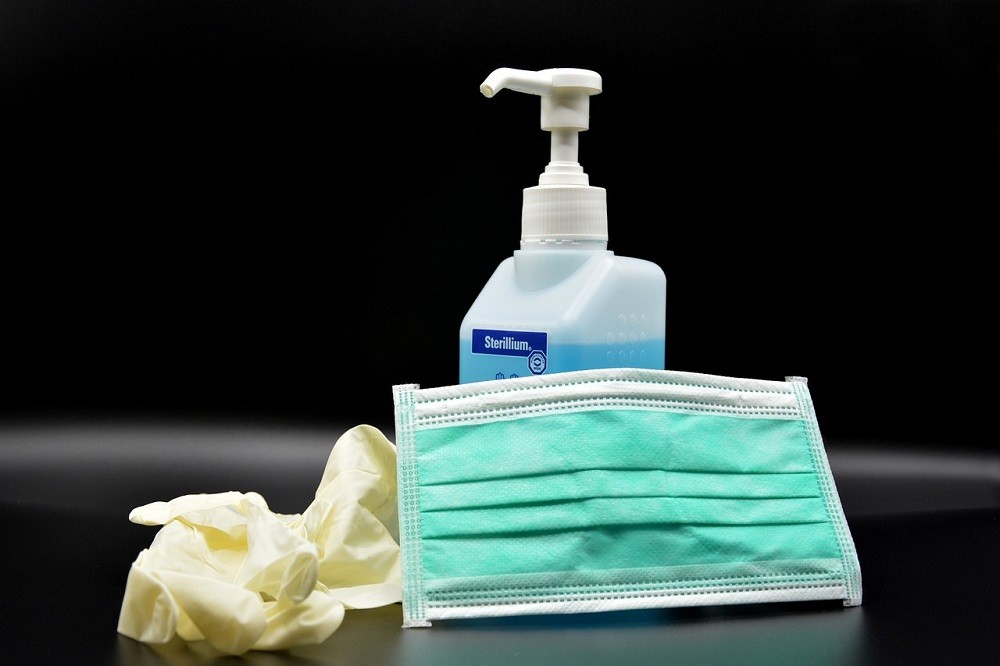
If you are not able to get to a sink or washroom, alcohol-based hand sanitizers are an effective alternative.
Many pharmacies and grocery stores carry travel-sized bottles. It is advisable to keep a bottle handy in your vehicle, at work, and in your backpack or bag for easy access while on the go.
Avoid Touching Your Face After You Sneeze
Touching your face, especially your nose, mouth, and eyes, provides an easy way for bacteria, germs, and viruses to get in to your body. You can reduce the risk of exposure by keeping your hands away from your face after you sneeze. Even if you sneezed in to a tissue or handkerchief.
What To Do When You Have To Sneeze Around Other People:
If you feel a sneeze coming while around other people, step back and turn your head away from them. This not only helps prevent the spread of germs to others in your vicinity, but is also a sign of respect.
If you are seated at a table, stand up and move away from the table to sneeze, then return to your seat after. If you notice phlegm or mucus after you sneezed, clean it up before returning to the table.
What To Do If You Are Sick:
Here are some helpful tips to stop the spread of germs and illness:
- Avoid close contact with others.
- Consider wearing a mask in public places.
- Disinfect common surfaces in your home and workspace like doorknobs, handles, switches, and flat surfaces like tables and desks.
- Increase ventilation indoors to help reduce concentrated germs.
- Stay home if you can.
- Wash your hands more frequently than usual.
Summary
Sneezing can happen at any time and anywhere. Practicing the etiquette rules outlined in this article will help stop the spread of microbes that could potentially make others around you sick. This is especially important during cold, flu, and allergy seasons.
Want more helpful etiquette tips and advice? Read these articles next:
When you subscribe to the article, we will send you an e-mail when there are new updates on the site so you wouldn't miss them.
Article's Categories

Most Popular Articles


Article Latest Comments

Comments