

The Esteemed Gentleman Articles
How To Navigate Wine With A Sommelier At A Restaurant
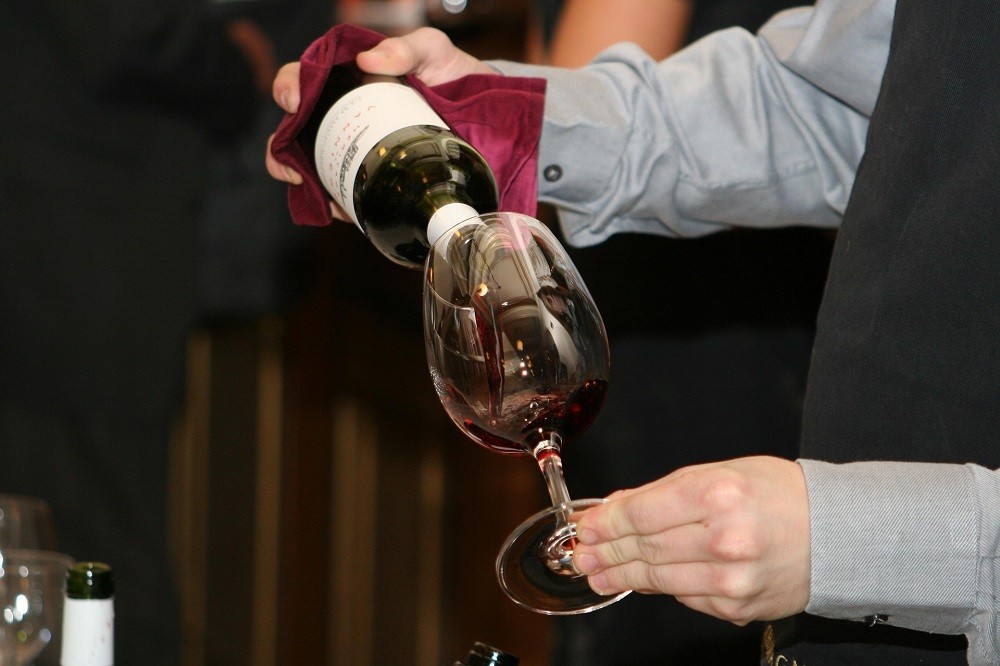
Ordering wine at a restaurant can be intimidating. It is not uncommon to be handed a separate, smaller menu exclusively for wines. Opening this menu can present an almost endless choice of varietals from regions all over the world.
You may think that once you have ordered your wine that the ordeal is over. However, it is just beginning. Depending on the restaurant, you may be visited by a sommelier.
In this article, we will briefly explain the sommelier's role in ensuring you get the wine you paid for and what to do every step along the way, but first lets look at how you should order a bottle of wine:
How To Order Wine At A Restaurant
When ordering wine at a restaurant, help the server or sommelier by pointing to the name of the bottle you want to order, never the price. If you cannot pronounce the name of the wine, just point to it. Do not try pronouncing it as you may butcher it and embarrass yourself.
If you are unsure of which wine you want, ask the wait staff or sommelier what they would recommend based on what you already like or flavours you would like to taste. If you are sticking to a budget, give them a dollar amount, not "something mid-range". Mid-range could be anywhere from $20-$200 depending on the restaurant and their wine selection.
If the wine you are ordering has a vintage year, confirm the year with the wait staff or sommelier as different years can have very different flavours, even when made with the same varietal.
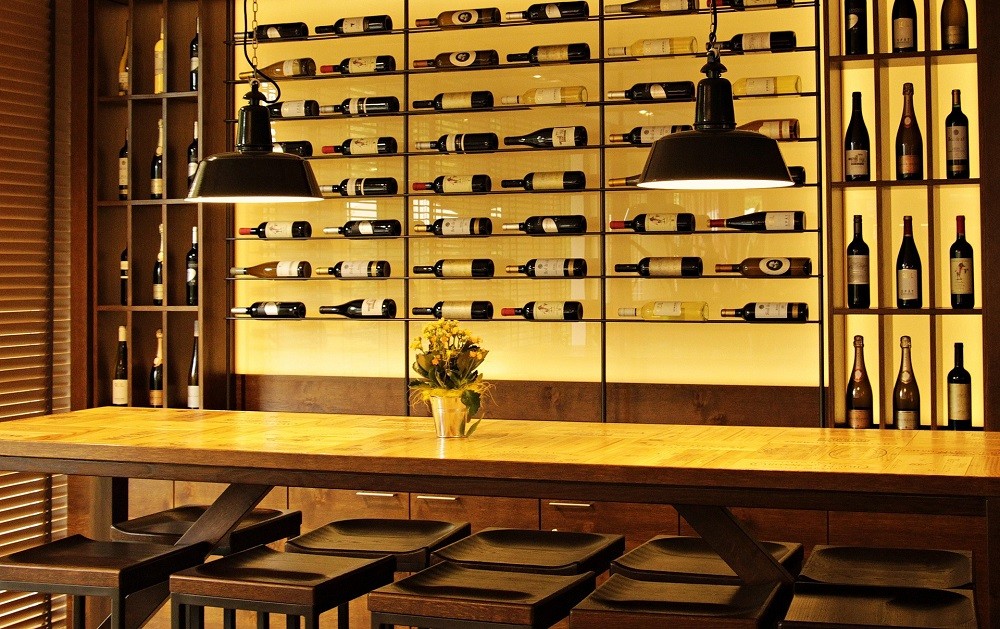
A Sommelier's Service
If you order a full bottle of wine, a sommelier may bring the unopened bottle to the table and open it right in front of you. This is not a form of entertainment nor does it require any applause or comments.
The sommelier will show you the label on the bottle to confirm it is what you ordered and may rotate the bottle so you can see it is free of cracks, chips, and damage. They will proceed to open the bottle and may present you with the cork.
Inform them immediately if the bottle they brought is not what you ordered. Do this before they open the bottle as the restaurant may have a policy that prevents refunds on open wine bottles (unless the wine is spoiled or flawed in any way).
What To Do If You Are Handed The Wine Cork
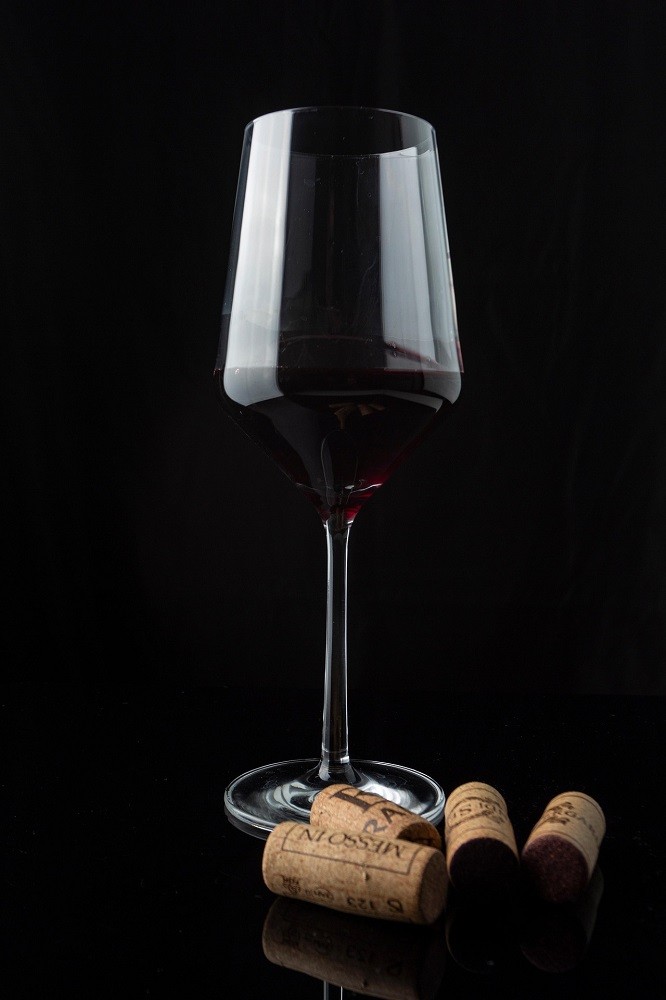
Handing the wine cork to the consumer is an old tradition that proves the bottle's authenticity. Many wineries stamp their logo and vintage year on the cork. Cross-reference this with the bottle to ensure it has not been tampered with or opened previously.
Inspect the cork for any loose or missing fragments. Look at how deeply the wine has penetrated into the cork. Doing this indicates proper storage and a tight seal. Do not sniff the cork. This is considered bad etiquette by many and it does not give you a solid indication of whether the wine has gone bad.
Wine Visual And Taste Tests
Once you have given the cork back, the sommelier will pour a small amount of wine into your glass. Take the glass and visually inspect it for impurities like cork fragments and discolouration.
After your visual inspection, bring the glass to your nose and sniff it. You should be able to tell if the wine is fresh or if it is starting to go bad. If you smell anything sharp or putrid like compost, nail polish remover, vinegar, or wet cardboard, then the wine has gone bad. Let the sommelier know immediately and politely invite them to give it a smell as well.
Once you have sniffed the wine, take a small sip. Do not throw back the entire glass as if it were a free sample. This is to ensure the wine is being served at the correct temperature. Red wines should be served at or around room temperature. White wines and rosés should be chilled and sparkling should be ice-cold.
The End
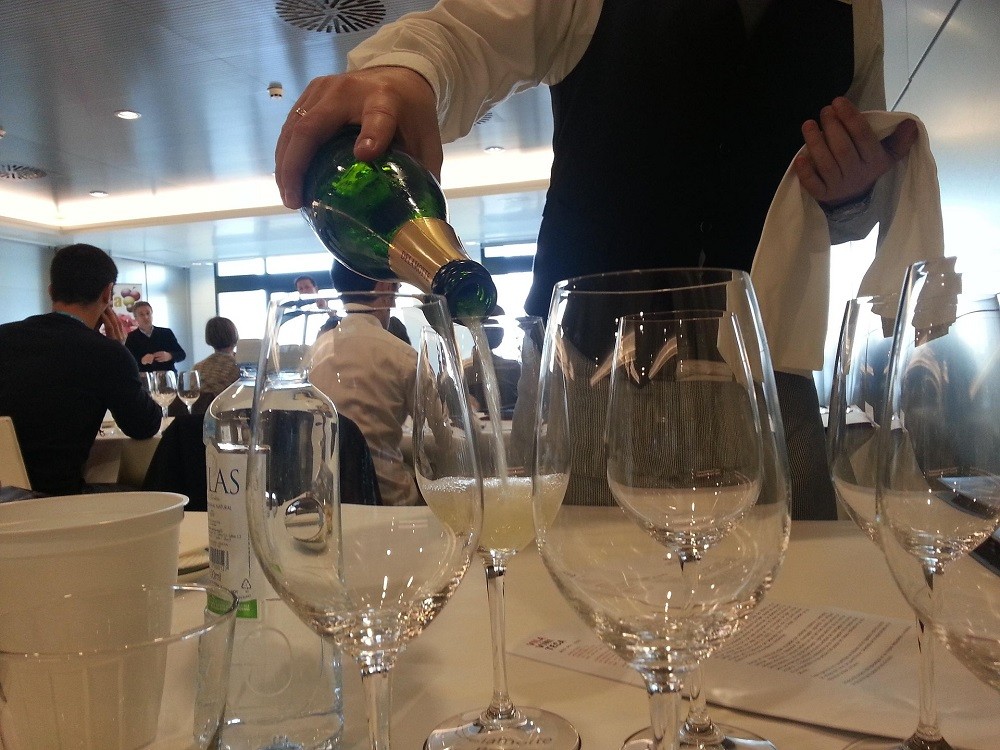
If everything is to your liking, the sommelier will proceed to pour more wine into your glass for you to enjoy. They will leave the bottle at the table so you can top off your glass as often as you like; however, they may top your glass off if they notice it getting low.
What To Do If The Wine Is Bad
If, for any reason during this experience, you discover the wine smells off or tastes pungent, inform the sommelier. Describe the issue so they can deal with it. In most cases, they will exchange the defective bottle for another one of the same type.
If they do not have a replacement bottle, they may offer a similar wine in the same price range at no extra cost.
Summary
The job of a wine sommelier is to ensure that the wine you drink is what the vineyard intended. Many things could go wrong and it is up to the sommelier to ensure that nothing does. Their job may look easy, but serving is only a small part of what they do. It takes years of schooling and hours of practice to become a sommelier.
Want more etiquette advice? Read these articles next:
When you subscribe to the article, we will send you an e-mail when there are new updates on the site so you wouldn't miss them.
Article's Categories

Most Popular Articles


Article Latest Comments

Comments