

The Esteemed Gentleman Articles
Important Bathroom Etiquette: 10 Essential Tips Everyone Should Follow
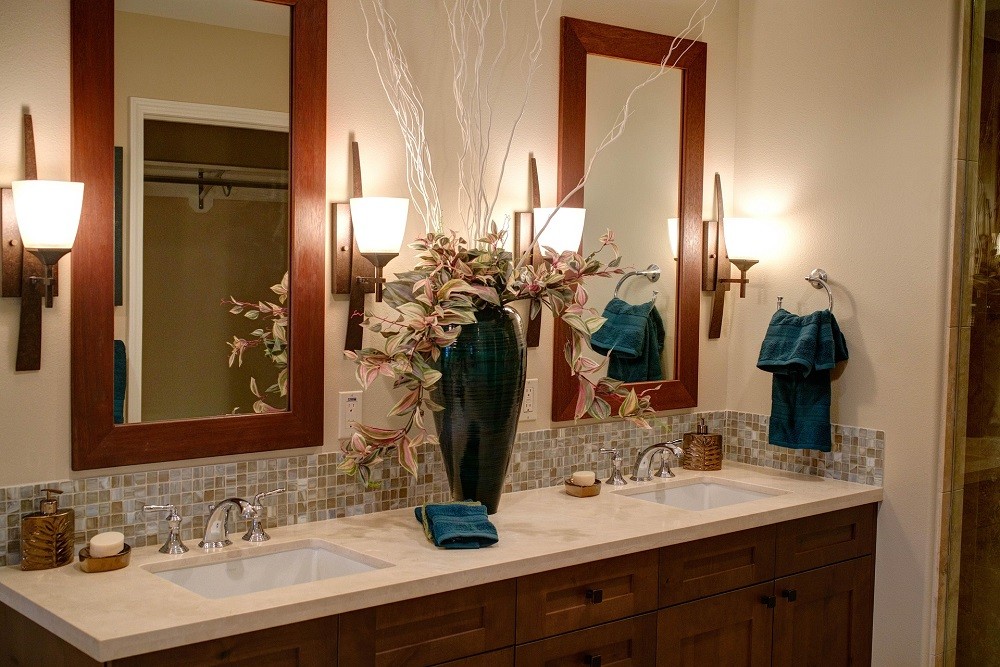
When we think of bathrooms, we either think of a pristine, squeaky clean place to relieve ourselves or a vile, septic biohazard that likely has new types of mold and bacteria growing within.
To keep our bathrooms from transforming into the latter, we should consider the basic rules of bathroom etiquette, our own personal considerations, and respect for our environments. Here are our top 10 essential bathroom etiquette tips:
Essential Bathroom Etiquette Tip #1: Always Knock Before Entering
Unless the bathroom door is open, it is always polite to knock first. Do not aggressively jiggle the handle or attempt to barge in. If no one answers, gently knock again and ask "is anyone in there?" If there is still no response, then try turning the handle. If the door is locked, wait a few minutes then knock again.
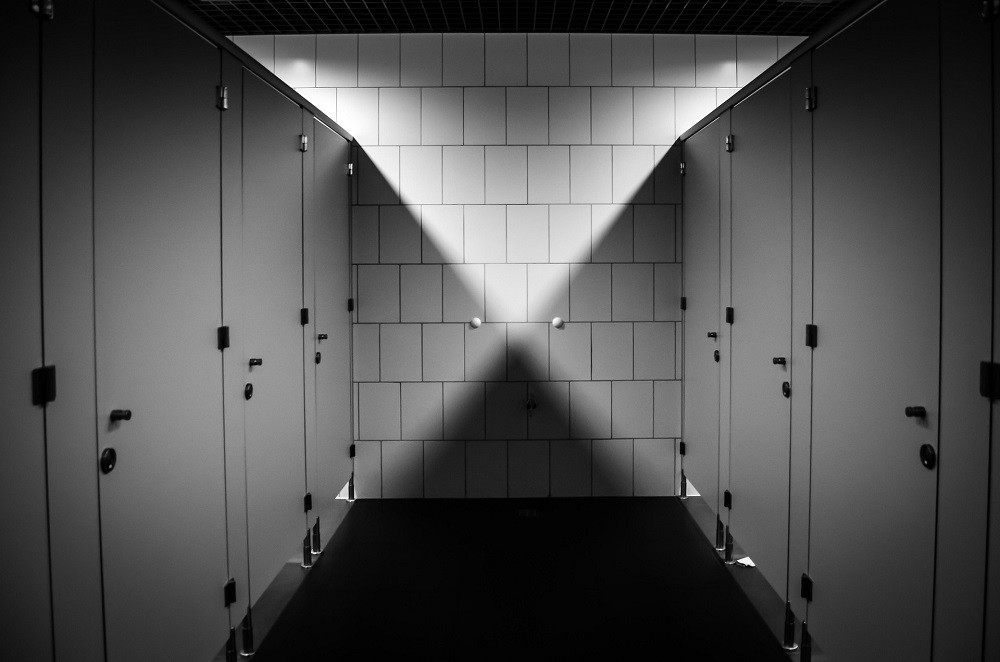
When using public washroom stalls, do not look over or under the stalls and NEVER make direct eye contact with anyone inside the stall through gaps in the door or walls. If the door to a public washroom stall is closed, take a quick glance under the door from a few steps back. If you do not see any feet, try opening the door.
Essential Bathroom Etiquette Tip #2: Do Not Take Phone Calls In To The Bathroom
If you need to use the bathroom while on the phone, inform the person on the other end of the line that you will call them back in a few minutes. You do not need to inform them that you are going to use the toilet. No one wants to hear the bathroom fan, flushing, or bodily noises on the phone.
When using the bathroom, keep your phone in your pocket. This greatly reduces the chances of your phone falling out of your hands and into the toilet or onto the dirty floor. This is especially important when using public washrooms as they are much dirtier than the ones in your home.
It should go without saying that using your speakerphone in the bathroom is a big no-no. For more etiquette tips on speakerphone use, read our article Dos And Don'ts Of Speakerphone Use In Public Places.
Essential Bathroom Etiquette Tip #3: No Conversations In The Bathroom
Similar to not using phones in bathrooms, avoid starting or continuing conversations in the bathroom. Bathrooms are meant to relieve yourself and freshen up, not discuss sports or weekend plans. A friendly "hello" or "good morning" is perfectly acceptable.
If you are in the middle of a conversation with someone before going to the bathroom, wait until both parties have exited the bathroom before resuming. This is important in workplace settings if you are discussing confidential information or details.
Essential Bathroom Etiquette Tip #4: Clean Up After Yourself
Bathrooms should be left in the same condition as they were when you entered. Regardless of whether it is your own bathroom, a bathroom at a friend's house, or a public bathroom at a restaurant or mall, you should always:
- Flush the toilet when you are finished. Do a courtesy flush if needed.
- Wipe the seat.
- Put the seat down and close the lid (if the toilet has one).
- Clean up any water that may have splashed out of the sink while you were washing your hands.
- Dispose of paper towels and trash in the garbage can (do not flush paper towels. They can clog the toilet).
Essential Bathroom Etiquette Tip #5: Stock Your Bathroom Before Guests Arrive
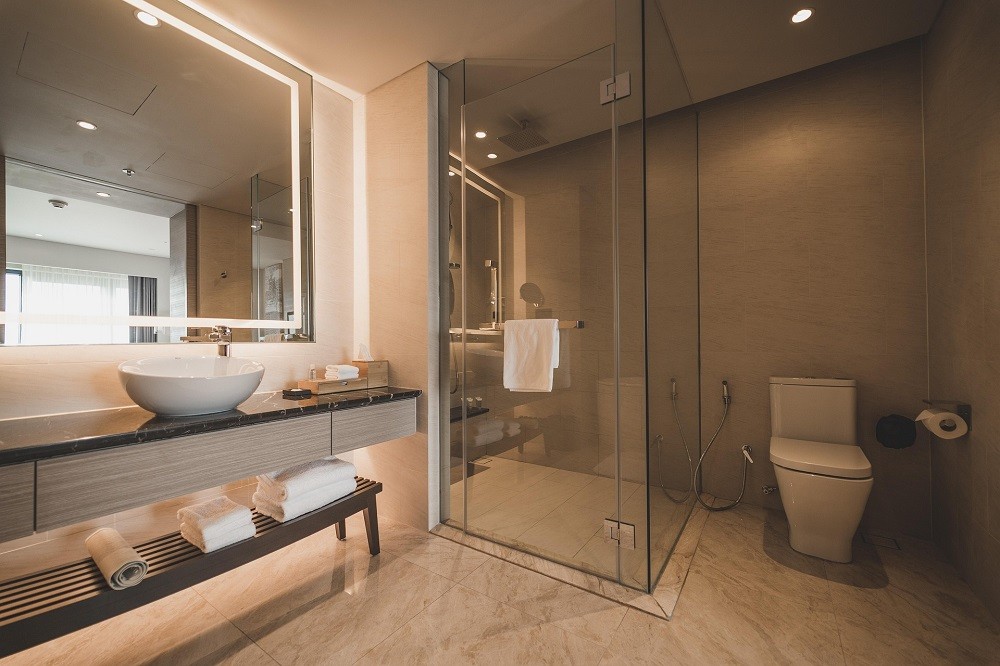
If you will be entertaining in your own home, be sure to stock your bathroom before guests arrive. Having a guest shout "Can someone bring me some toilet paper? There's none in here!" can quickly derail an otherwise enjoyable evening. A toilet paper shortage during a party could even become the inglorious highlight of the evening.
Here is a quick and convenient list of all of the items you need to stock in your bathroom before guests arrive:
- Have extra toilet paper available. Visibly displayed in a toilet paper rack or behind the toilet is ideal. This keeps guests from opening cupboards under your sink in search of a roll.
- Top up your soap dispensers and leave out a clean towel for your guests to dry their hands with. Put the towel near the soap so guests know to use it instead of any decorative towels.
- Place a plunger beside the toilet so guests can attempt to fix a clog on their own.
- Ensure the bathroom smells pleasant by having a wax melt, bowl of potpourri, an air freshener (or Poo-pourri), or a diffuser. These also help eliminate odours.
Essential Bathroom Etiquette Tip #6: Inform Someone If The Bathroom Is Low (Or Out) Of Something
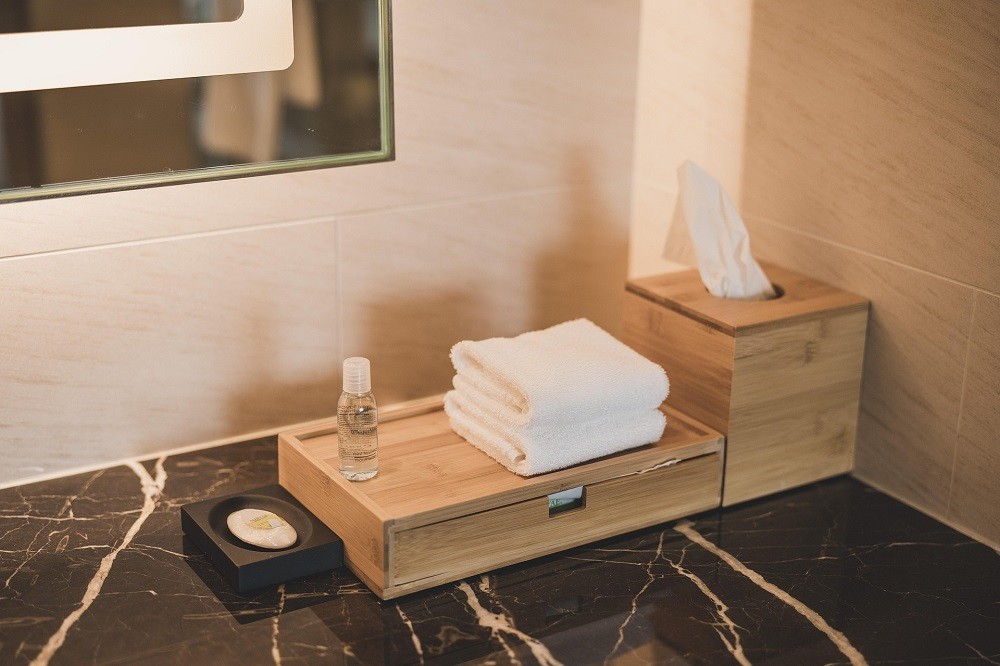
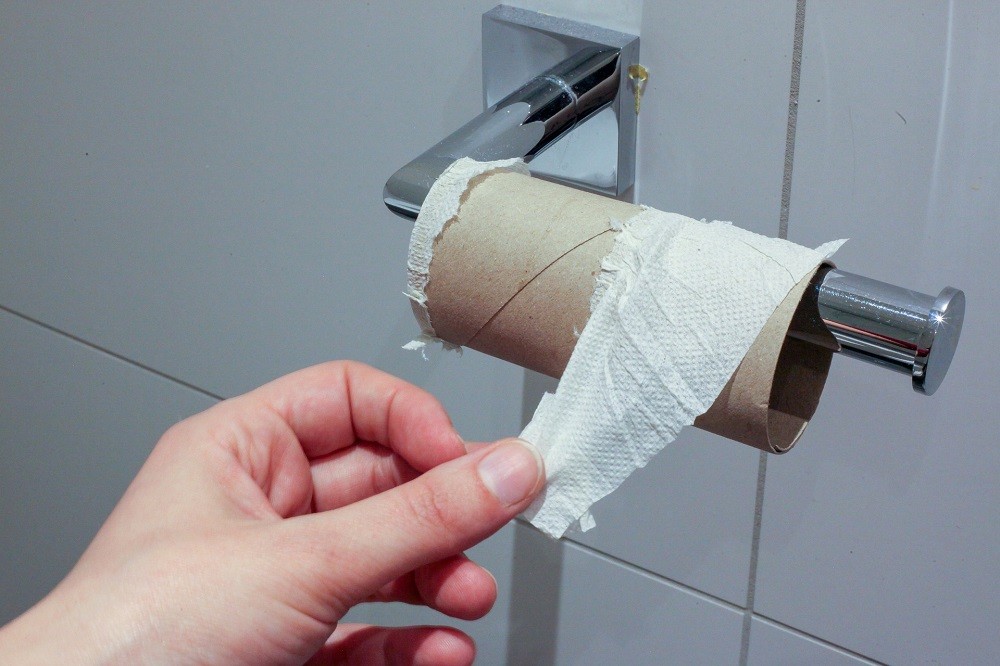
Whether you are visiting a private residence or a public bathroom, it is good etiquette to inform someone if the bathroom is running low (or out of) essential items like toilet paper, hand soap, or hand towels, or if the garbage is full.
Informing someone can prevent other people from having to phone a friend to bring them toilet paper or avoid washing their hands because the soap dispenser is empty. Washing your hands is very important. Especially after using public restrooms.
Essential Bathroom Etiquette Tip #7: Do Not Use Decorative Towels To Dry Your Hands
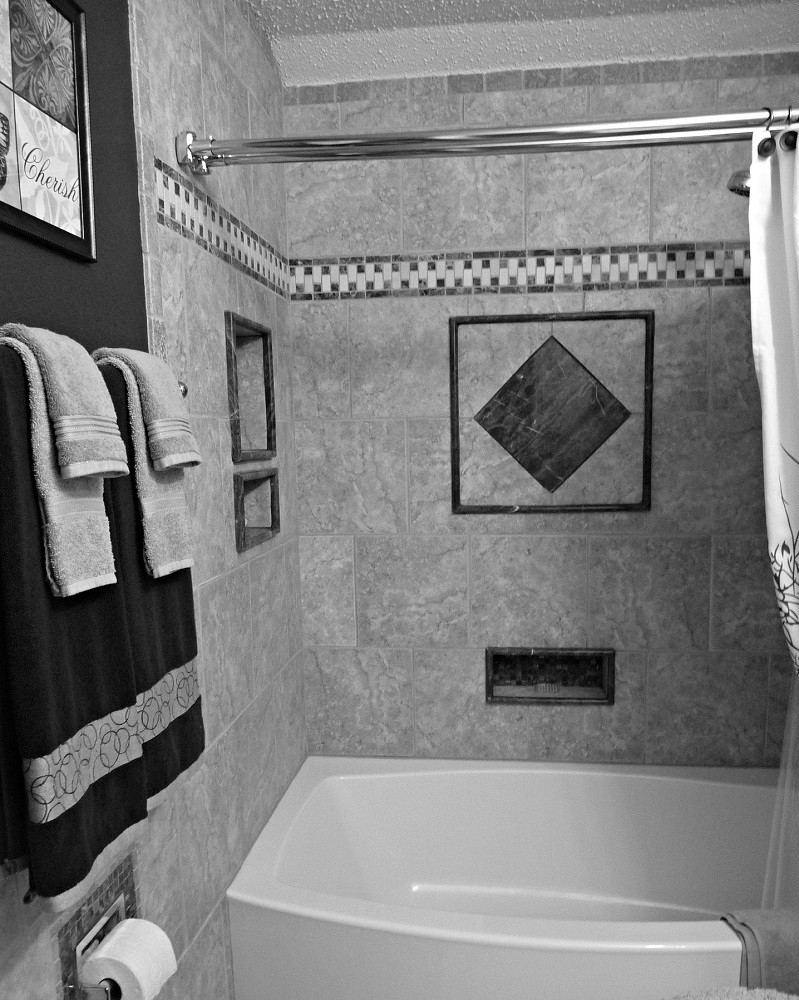
Decorative towels are for decoration only. They are used to add a splash of colour and to make a room feel more welcoming. Most decorative towels feature intricate weaves and patterns, helping them stand out from normal hand towels.
Hand towels are usually placed beside the sink or on a hanger within reach from the sink. Hand towels are smaller and less ornate than decorative towels, typically in a solid colour and made out of cotton.
If you are using the bathroom at a friend's house and are unsure which towel to use, ask the host or use a different sink in the house.
Essential Bathroom Etiquette Tip #8: When Entertaining, Inform Guests Where The Bathrooms Are Located Shortly After They Arrive
When a guest arrives at your home for the first time, be sure to inform them where your bathrooms are located. This prevents them from feeling embarrassed to have to ask later or waiting to ask if you are conversing with other people.
Be sure to notify them about any tricky taps and complexities when it comes to operating items like a bidet or a low-flow toilet if you have one.
Essential Bathroom Etiquette Tip #9: Men, Remember The Cardinal Urinal Rule
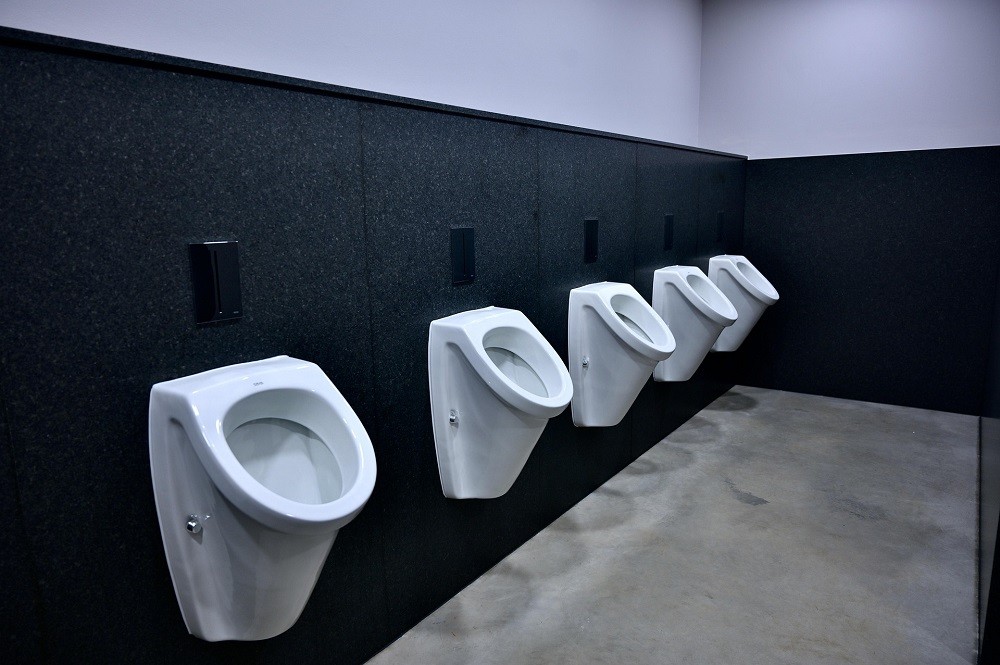
The cardinal urinal rule, an unwritten rule of men's bathrooms, is to have at least one urinal's distance between you and the closest person who is also using the urinals. This buffer shows respect to others and substantially decreases any side-eye glances or small-talk.
If you are the only person using the urinals, pick a urinal closest to the corner in the row of urinals. This allows the most amount of buffer space for anyone else who may need to relieve themselves while you are still there.
Essential Bathroom Etiquette Tip #10: Do Not Stand Or Squat On The Toilet
Refrain from standing or squatting on a toilet. Toilets are not designed to hold a person's weight. You can easily lose your balance and slip, potentially injuring yourself, or damaging the toilet or other items in the bathroom.
If the toilet does not look sanitary, or there are no toilet seat covers available, try to find another toilet to use.
Summary
Remember these simple bathroom etiquette tips next time you need to use one. These tips are essential in keeping bathrooms clean and in good condition not only for you, but for the next person too.
Finished reading this article? Here are some other ones you may enjoy:
When you subscribe to the article, we will send you an e-mail when there are new updates on the site so you wouldn't miss them.
Article's Categories

Most Popular Articles


Article Latest Comments

Comments