

The Esteemed Gentleman Articles
5 Traits Of Good Sportsmanship Every Athlete Should Master
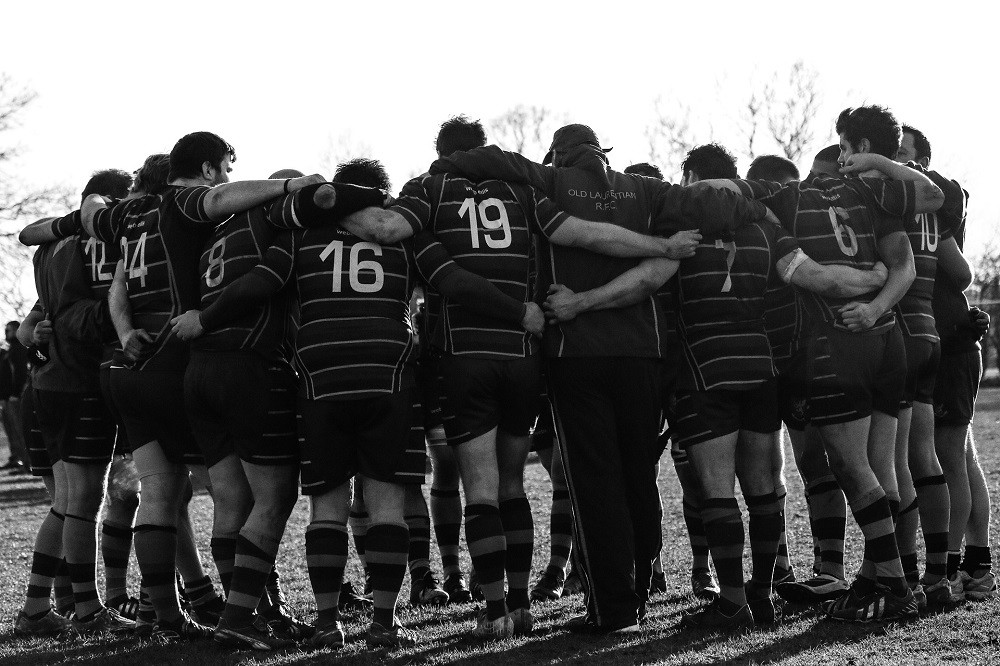
Good sportsmanship is a culmination of respect, fairness, honesty, and a good attitude. Exhibiting these positive behaviours while in uniform will help you gain trust, admiration, and honour both on and off the field (or rink).
Having good sportsmanship comes down to some key ideas, behaviours, and mindsets. In this article we will explain the importance of respect, playing fair, how to win and lose, and why emotional control is important. Let's start with the most important part of good sportsmanship, respect:
Good Sportsmanship Starts With Respect
Good sportsmanship starts with respect, for your teammates, your coaches, the officials, fans, and your opponents. Show respect to your teammates by encouraging them, congratulating them, and focusing on a team mentality.
Acknowledge your teammates when they make an incredible play, set-up, or score. Offer high-fives, hugs, and cheers. Being part of a team means celebrating everyone's success in the game.
Being respectful also means owning up to your mistakes. Take responsibility for your missed play or botched shot. Blaming others or creating an excuse for your poor performance can easily ruin trust amongst you and your teammates.
Good Sportsmanship Means Playing Fair
Playing fair, no matter the sport, means following the rules. Resist the urge to cheat or use dirty tactics. Trying to leverage your team through unfair advantages will tarnish your reputation and can result in disciplinary action. No one wants to play for or against someone who cheats their way to the top.
Arguing with referees, instigating the opposing team, and being a general nuisance are all examples of unsportsmanlike conduct. Being unsportsmanlike not only looks bad on you but also reflects poorly on your teammates and coaches.
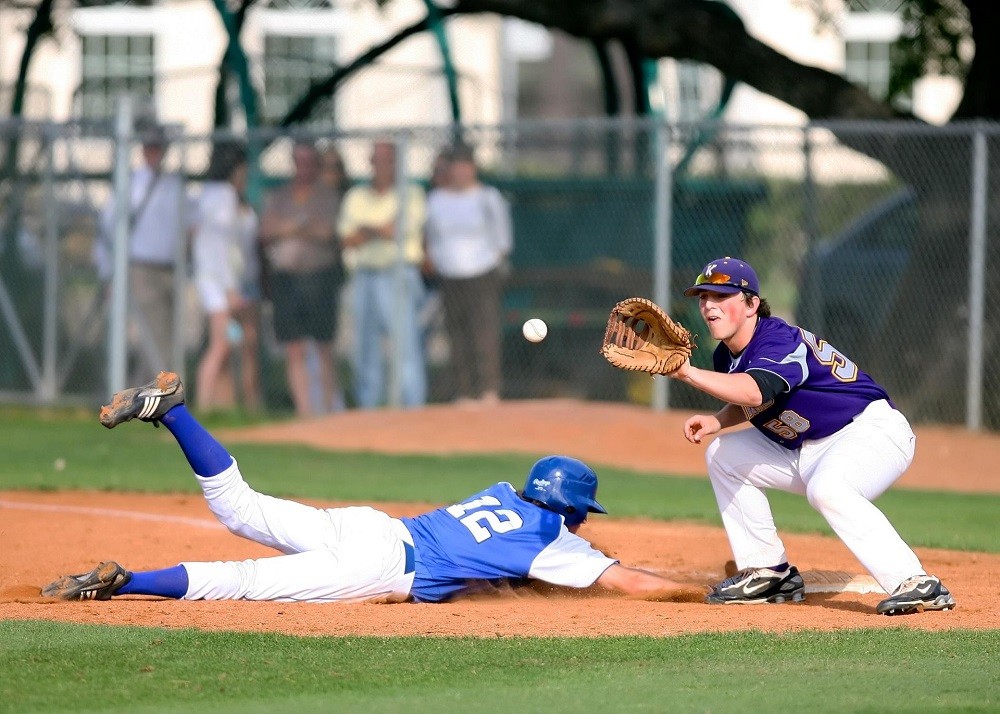
Good Sportsmanship Means Knowing How To Win With Humility
Winning is an incredible feeling, but do not let it get to your head. Celebrate your victories modestly, even if the game was a one-sided blow-out. Be humble. Remind yourself that even though you won this game, you may not win the next.
Remember and recognize the people who helped you win: your teammates, coaches, and anyone who supported you along the way. Acknowledge them. Every victory is a group effort. Each person on the team played a role.
Acknowledge the efforts of the other team. There is no need to gloat, brag, or insult the other team. They worked hard and did their best, too.
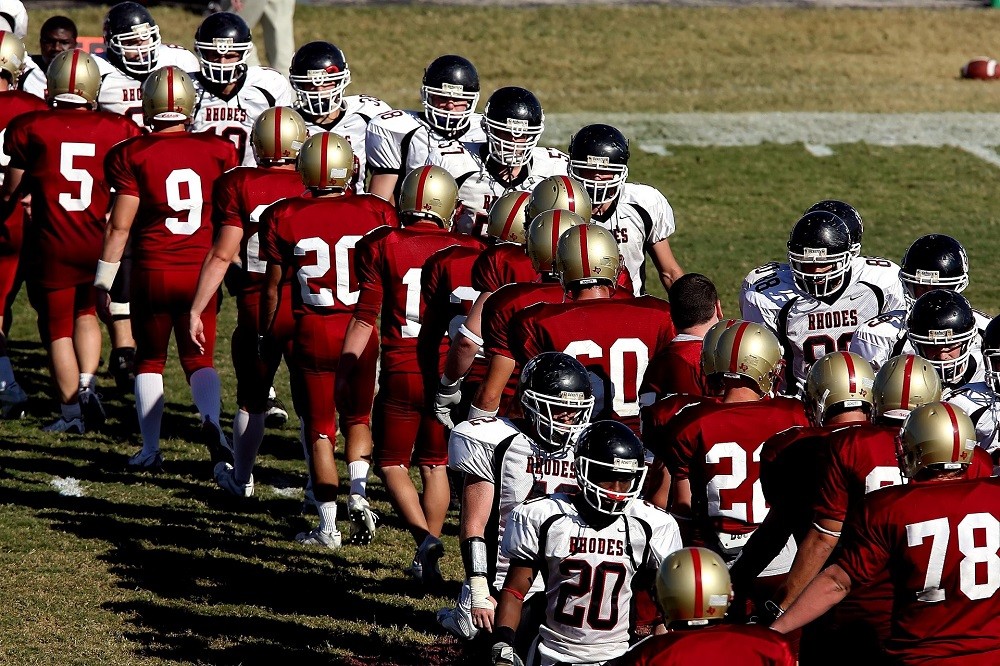
A universal tradition in sports is to shake hands with the other team after the game. Always participate in this. It shows you possess good sportsmanship, regardless of whether you win or lose.
Athletes With Good Sportsmanship Know How To Lose With Grace
Losing is never easy. Even though you practiced tirelessly, worked hard, and tried your best, you still came up short. Accept defeat. Do not blame your teammates or coaches or take your frustrations out on them.
Focus on learning from your mistakes. Take a few moments of introspection and think about areas where you can improve. If you cannot think of anything, ask your teammates and coaches if they have any suggestions.
Do not forget to congratulate the other team. Give them compliments if you were impressed by their level of play. Even if you are upset, do not tell them their win was pure luck or that they lack talent.
Having Good Sportsmanship Means Mastering Emotional Control
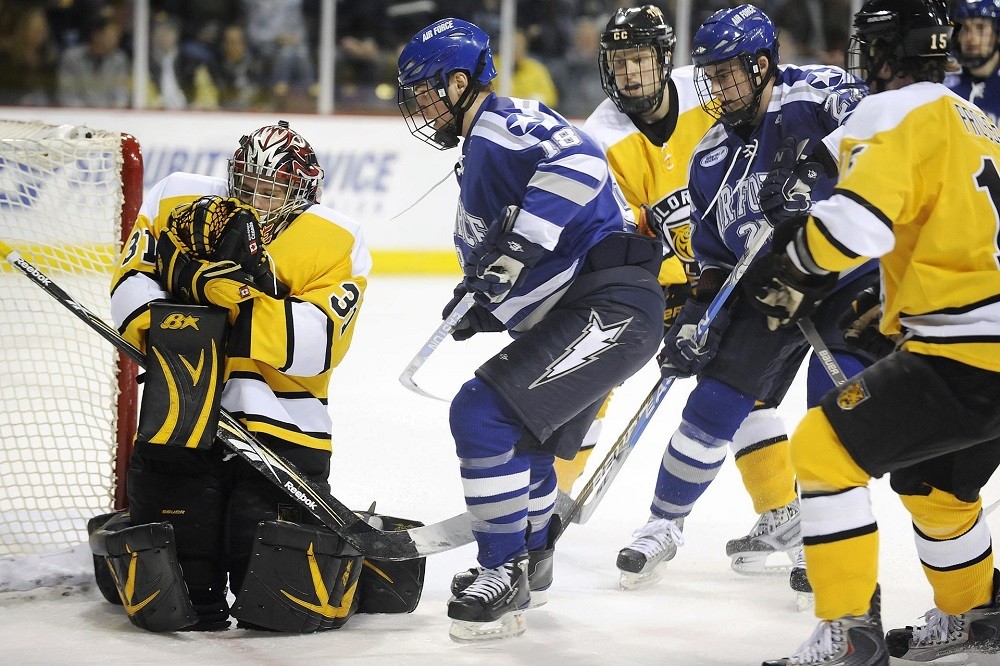
Emotional control is vital when it comes to good sportsmanship. Not every play will go your way nor will you win every game. Being able to keep your emotions in check can be the difference between scoring on the next play or getting caught up expressing your anger resulting in an ejection.
Like a muscle, emotional control can be trained and improved. Focusing on the next play instead of re-living a mistake from the previous one can help keep your head in the game. You cannot change the past, so shift your mentality to what you can control: the here and now.
Taking a deep breath before getting involved in a scrum can help lower stress and allow you to gain control over your emotions. Doing this can help you regulate your mind and avoid getting carried away with anger or frustrations.
Replace self-doubt with positive reinforcement. Remind yourself that you are capable of what it takes to win. Give yourself a pat on the back when you do well and let that momentum carry you until the final buzzer, building with every good play you are a part of during the game.
A Good Sportsmanship Tip For Parents:
A parent is a child's biggest role model. How you act and behave while at your kids' games is important. Be a great role model by demonstrating what it means to have good sportsmanship. Leading by example both at the game and at home will help teach your child important soft skills like inclusion, accountability, and discipline.
Summary
Good sportsmanship builds character. Being able to conduct yourself professionally when the game is on the line is a skill that every athlete needs to develop. Every player on your team will look up to you if you possess good sportsmanship.
Interested in learning more life skills? Read these articles next:
When you subscribe to the article, we will send you an e-mail when there are new updates on the site so you wouldn't miss them.
Article's Categories

Most Popular Articles

Article Latest Comments

Comments