

The Esteemed Gentleman Articles
How To Hold A Wine Glass The Right Way
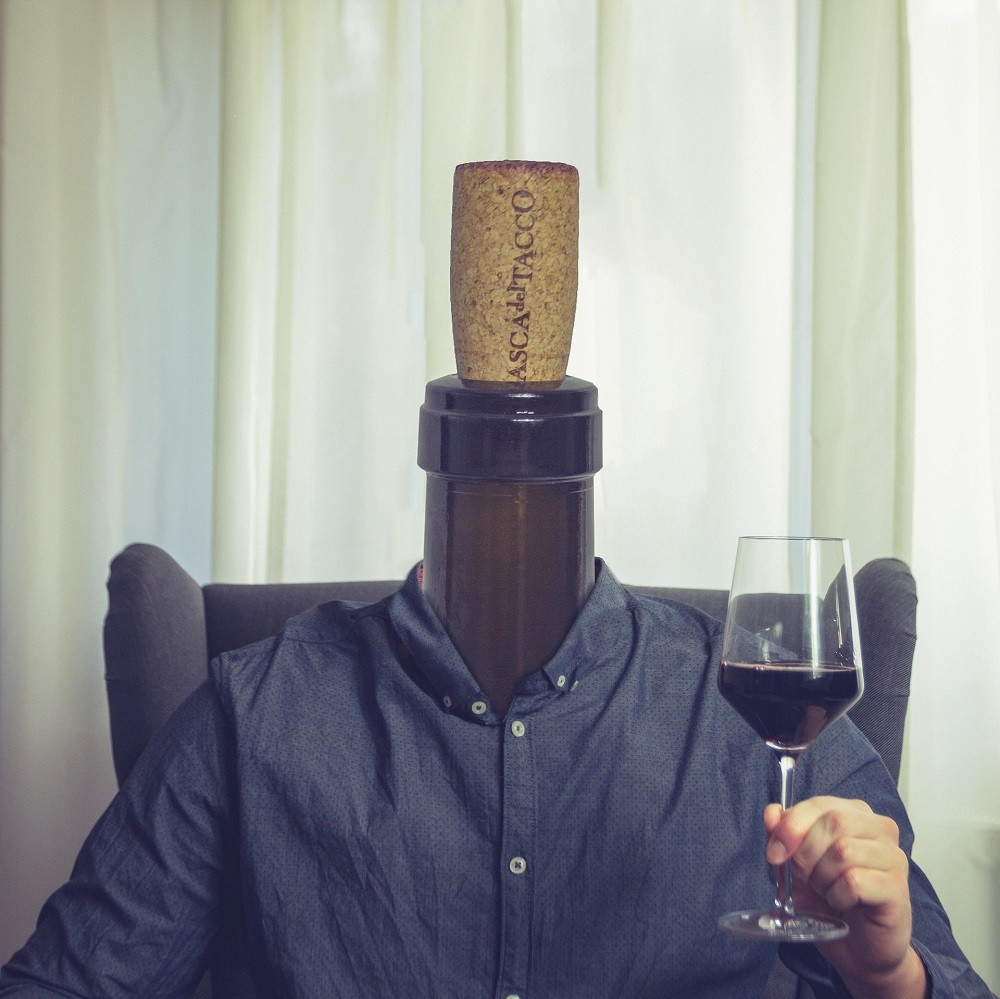
Holding a wine glass seems straightforward: just pick it up as you would any other glass and away you go. However, overlooking some small details can heavily alter your wine tasting experience and may garner you some odd looks if you find yourself at a wine tasting event.
In this article we will explain how to hold a wine glass the right way. Before we dive in, lets look at a couple of important details including the anatomy of wine glasses and the four main types of wine glasses.
The Anatomy Of A Wine Glass
Wine glasses come in a wide variety of shapes and sizes depending on the type of wine being served. Although different in appearance, almost every wine glass is made of four parts:
- The rim – the top of the bowl where your lips meet the glass when you take a sip
- The bowl – where the wine is contained
- The stem – the long, narrow piece that connects the bowl to the base
- The base – the flat, circular piece at the bottom
(Stemless wine glasses contain all of these parts except the stem, hence their name.)
Not all wines are the same, and neither are the glasses they are served in. Wine glasses generally fall into one of these broad categories:
- Red wine glasses – Designed with a large, wide bowl and tapered rim. This gives the wine more contact with oxygen, releasing flavours. Aromas get trapped between the bowl and tapered rim, enhancing the tasting experience. The wide bowl also helps keep the wine contained when swirling.
- White wine glasses – Feature a longer stem and both a smaller bowl and rim. The long stem helps protect the wine from heat transfer when being held and the smaller bowl and rim help concentrate aromas, intensifying the flavours of the wine.
- Universal wine glass – The 'Goldilocks glass' between red and white glasses. Best for people who occasionally drink wine or do not have cupboard space for multiple types of wine glasses.
- Champagne flute – Tall and narrow, champagne flutes are designed to minimize oxidization and maximize carbonation. The long flutes allow carbonation bubbles to travel up from the bowl, adding a level of elegance to the experience.
How To Hold A Stemmed Wine Glass The Right Way
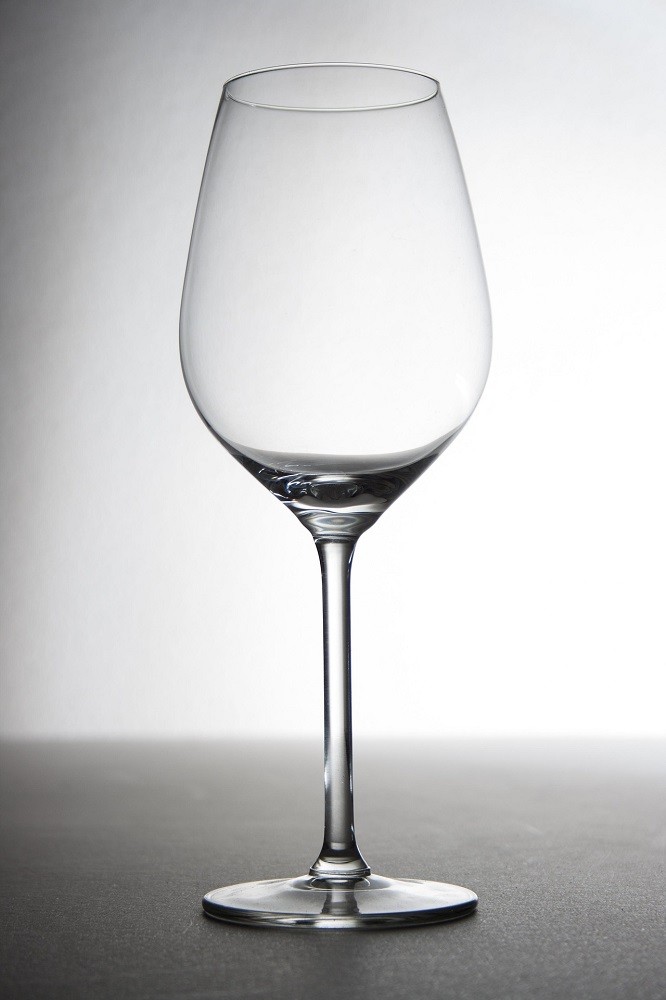
Stemmed wine glasses should always be held by the stem, never by the bowl. Cradling the bowl in your palm transfers heat from your hand into the wine, altering the aromas and flavours.
This can ruin the delicate floral, citrus, and fruity notes found in many white wines. The heat from your hands can also cause champagne and sparkling wines to lose carbonation faster, making them go flat.
Holding a wine glass by the stem also reduces the amount of visible smudges and stains. Oils and grease transferred from your fingers can make the glass more difficult to hold over time. It may end up all over someone's expensive clothing should it slip from your grip.
Swirling wine is a technique used by sommeliers to aerate wine, unlocking deep flavours and aromatic compounds. Holding the wine glass by the stem allows you to swirl with control.
If you are not comfortable swirling your wine in the air, you can place the base of the glass on a flat surface and gently move it back and forth in a tight oval.
The most common method of holding a stemmed wine glass is to pinch the stem between your fingers and thumb (make the hand gesture for 'yapping', then rotate 90 degrees). Your index finger and thumb are doing most of the work while your middle, ring, and pinkie fingers are helping stabilize and support the glass.
A common variation used by many wine connoisseurs is to grip the stem as low as possible with their index finger and thumb and resting their other fingers on the base of the glass. This allows them to wrap their fingers (minus the index) around the base of the glass if they will be holding it for an extended period of time.
How To Hold A Stemless Wine Glass The Right Way
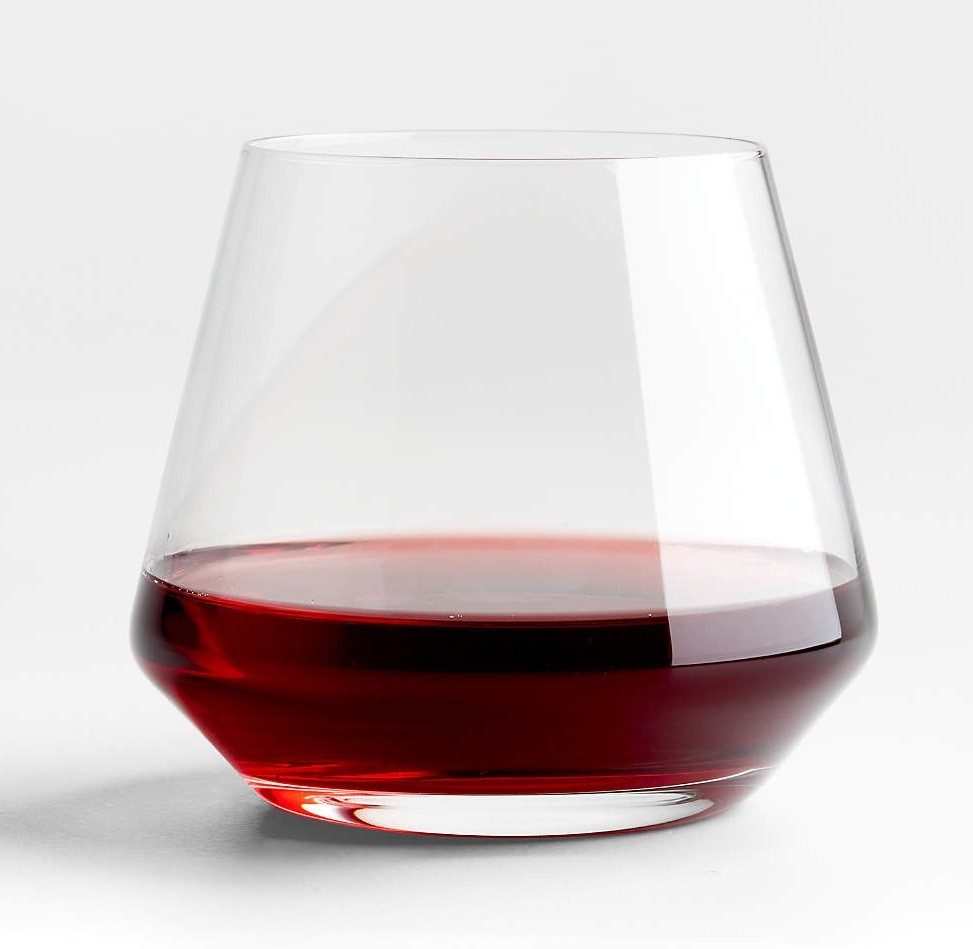
Stemless wine glasses, also called 'tumblers', have existed for many centuries. Only recently have they found their way into bars, restaurants, and backyard parties. These glasses offer better stability and easier storage compared to their stemmed counterparts. Plus, they are less prone to damage. They are considered more casual than a stemmed wine glass.
When holding a stemless wine glass, try to hold it near the bottom of the bowl using only your thumb, index, and middle finger to grip and support the glass. If the glass is heavy, curl and stagger your ring finger and pinkie under the base of the glass.
Heat is the biggest threat when holding a stemless wine glass. Try to avoid holding your stemless wine glass for extended periods of time.
How NOT To Hold A Wine Glass
Now that you know how to hold a glass, here are some examples of how NOT to hold a wine glass:
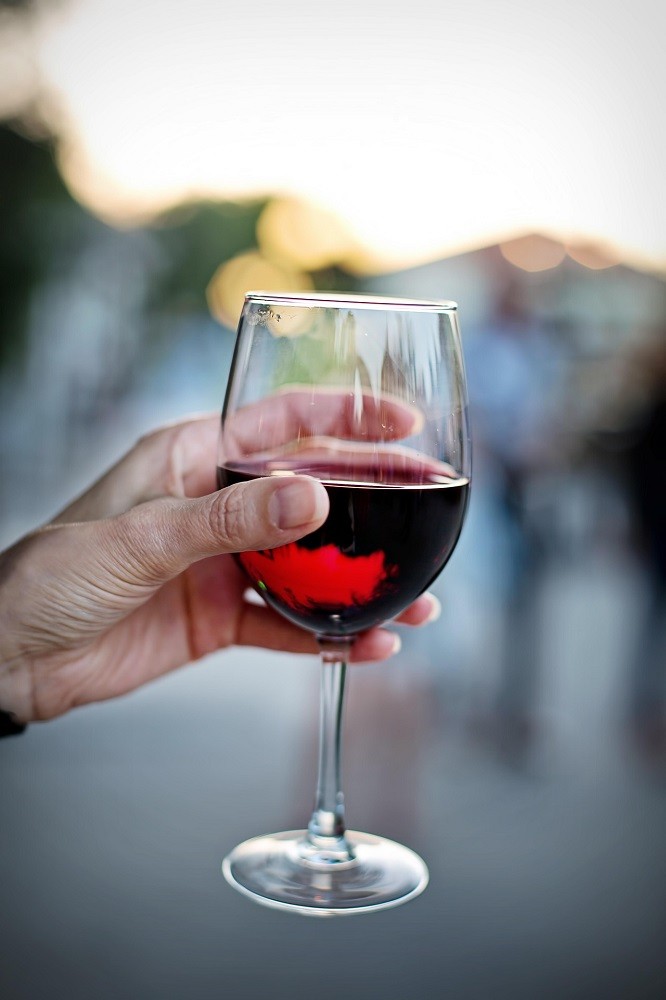
- Grabbing The Bowl: Grabbing a wine glass by the bowl shows everyone in the room that you are not familiar with wine. This can be embarrassing if you are at a formal dinner or wedding.
- Cradling The Bowl: This is the most common incorrect way to hold a wine glass. The heat from your palm will transfer into the wine, radically altering the aromas and flavours.
- By The Rim: Curling your index finger into the rim to pick up your wine glass is not only unsanitary, it significantly increases the chances of the glass falling and breaking.
- Death Grip On The Stem: Squeezing the stem too hard will cause it to break; resulting in glass shards flying everywhere and becoming embedded in your hand.
- With Your Pinkie Out: You may have heard the term "pinkies out" when drinking tea. Extending your pinkie while sipping wine is a big faux pas and could be considered distasteful to others in your company.
Summary
Holding a wine glass by the stem is important. Now you know why. It may take a few attempts to break bad habits if you are accustomed to holding wine glasses by the bowl, but soon you will reach for the stem without even thinking about it.
Learn more important etiquette tips by reading these articles:
When you subscribe to the article, we will send you an e-mail when there are new updates on the site so you wouldn't miss them.
Article's Categories

Most Popular Articles



Article Latest Comments

Comments