

The Esteemed Gentleman Articles
12 Important Wine Etiquette Tips (And Mistakes To Avoid)
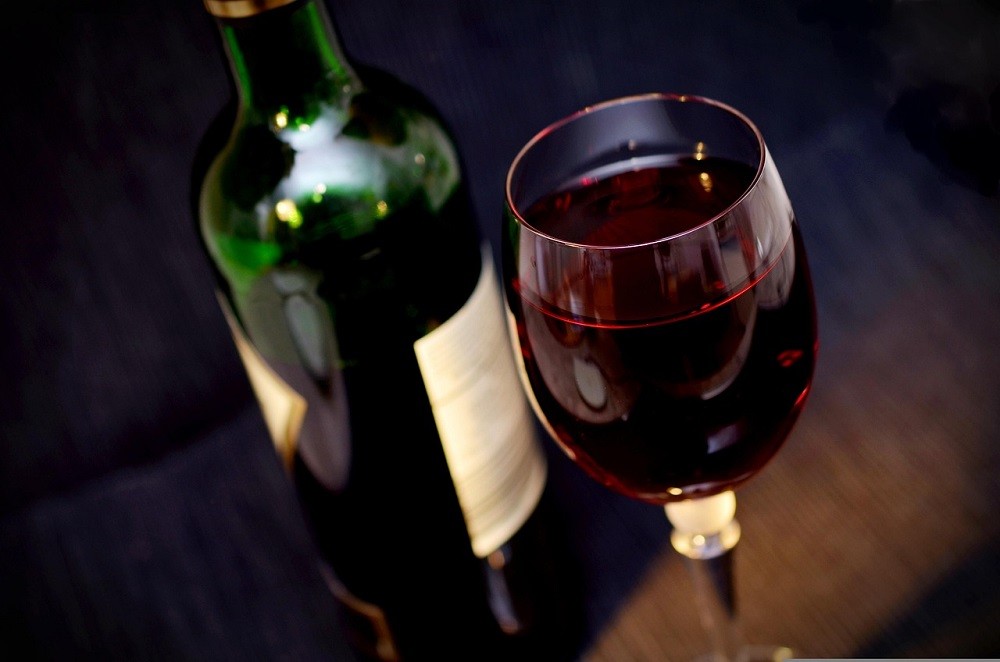
Enjoying a glass of wine with good company should be a relaxing and enjoyable experience. That is, if you can properly open, pour, swirl, and taste without looking silly or wearing your wine all over your clothes.
In this article, we will review 12 important wine etiquette tips and explain some common mistakes to avoid. Knowing these tips and applying them will make you look like a seasoned professional who knows their way around the vineyards.
Open Your Bottle Of Wine With The Right Tool
There are several tools that can safely and effectively remove the cork from a bottle of wine. The three most common types of wine openers are wine keys (sometimes called 'waiters corkscrews'), wing corkscrews, and electric openers.
Regardless of what you use, the five steps to open a bottle of wine are all the same:
- 1. Place the wine bottle on a flat, stable surface.
- 2. Use a small straight-edge blade or knife to remove the decorative foil from the bottle. Make your cut below the lip of the bottle to prevent any pieces of foil sticking on or around the mouth.
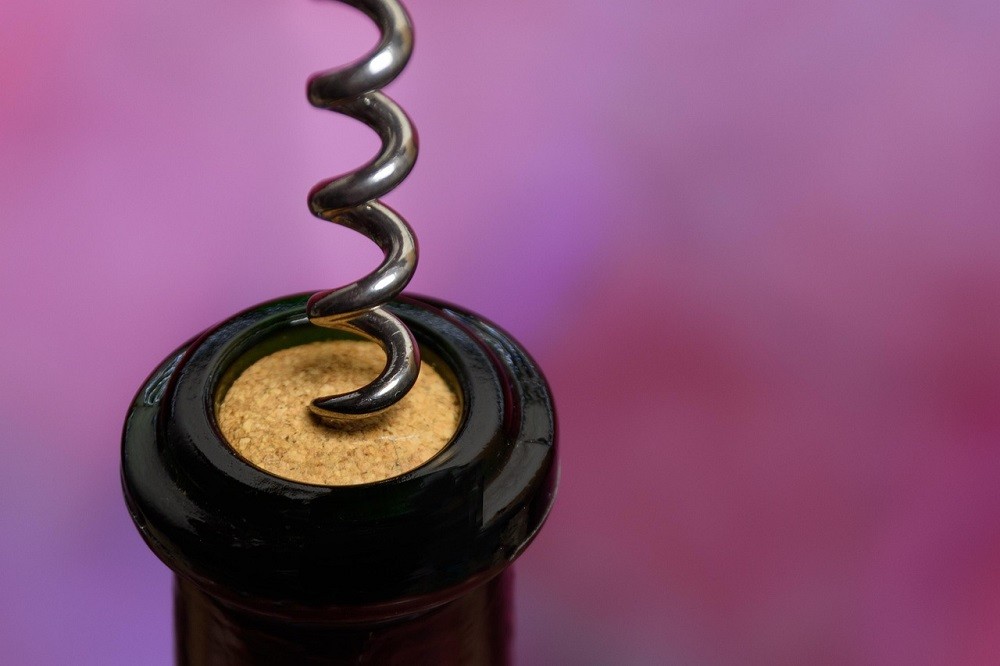
- 3. Insert the corkscrew into the middle of the cork. Gently push as you rotate the corkscrew until only one spiral is visible above the cork. Avoid twisting too far as you may pierce all the way through the cork, sending small fragments of cork into the wine.
- 4. With steady, constant pressure, begin removing the cork. Depending on the opener, you may have to wriggle it or pull straight out. Regardless of extraction method, be aware that the cork may want to shoot out at the last second if any pressure has built up inside the bottle.
- 5. Once you have removed the cork, inspect it for damage or missing fragments. Then, you can place it on a small plate for guests to inspect or discard it.
Serve Others First
If you are in charge of pouring wine, remember to serve others before yourself. This kind gesture shows respect and consideration for others. Knowing who to serve first depends on the formality of the event.
In formal dining settings, it is proper etiquette to serve the host first, followed by the guest (or guests) of honour, then the women, then the men, then yourself. If someone brought a bottle of wine to be shared, pour them a small amount first so they can judge if it is worth serving or has gone bad.
In less formal settings, etiquette dictates that wine should be served to the eldest person first, then the second eldest, working to the youngest person of age. If everyone is around the same age, then women should be served before men.
If you notice someone's glass is empty or near empty, ask them if they would like more. Alternatively, you can gesture to their glass or wine bottle if they are in the middle of a conversation. Contrary to some practices, you should never fill up someone's wine glass without their permission, especially if they have to drive.
Pour Wine The Proper Way
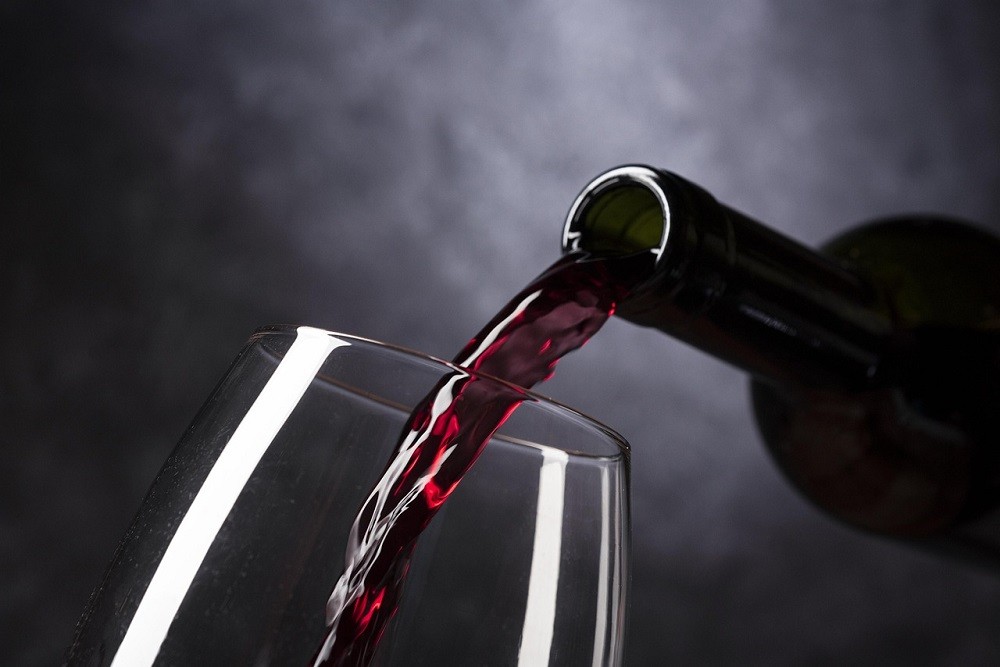
The proper way to pour a glass of wine is to firmly hold the wine bottle near the base. Wine etiquette dictates to not cover the label as this shows respect to the vineyard. Place your thumb inside the punt (the divot on the bottom of the bottle), if the bottle has one, and slowly tilt the bottle until wine comes out of the mouth. Pour at a smooth, controlled speed.
Be careful to not let the neck of the wine bottle come in to contact with the wine glass. This is unsanitary and could potentially shatter the wine glass. As you finish pouring, simultaneously lift the neck of the bottle and give it a twist to prevent any dribbles and drops. If you see a drop of wine sliding down the outside of the bottle, wipe it off with a cloth.
Fill Wine Glasses 1/3 To 1/2 Full
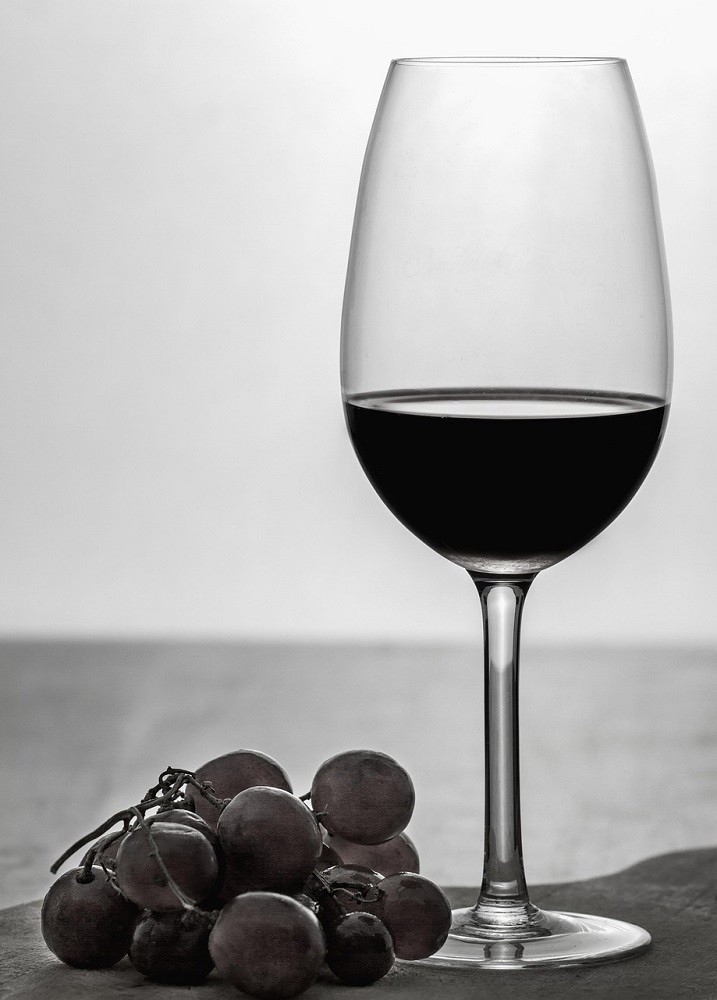
When pouring a glass of wine, be sure to only fill it 1/3 full. An easy way to measure this is to fill the glass to the widest part of the bowl. Doing this provides the wine with room to breathe, traps aromas, and gives you enough empty volume in the glass to swirl the wine and unlock more of its flavours.
Filling a wine glass 1/3 to 1/2 full also provides a buffer to keep the wine in the glass should you be travelling around the room with your glass. A single drop of wine can be a disaster for anyone wearing light-coloured clothing.
(eagle-eyed readers may have noticed how full the wine glass is in the first picture in this article. If you did, bravo, that glass is too full)
Hold Your Wine Glass By The Stem
The proper way to hold a wine glass is by the stem near the base of the glass. Pinch the stem between your index finger and thumb and use your other fingers to support and balance the glass. Do not pinch too hard or you may end up shattering the stem.
Holding the glass this way prevents heat from transferring from your hand into the wine, which can alter the flavours and aromas. It also will not leave unsightly finger marks and stains all over the bowl and it makes swirling more effective.
If you are holding a stemless wine glass, curl your thumb, index, and ring finger around the base of the glass as if you were making the letter 'C'. Use your ring finger and pinkie finger as support under the glass if you need to.
For a more in-depth guide on how to hold a wine glass, read our article How To Hold A Wine Glass The Right Way. The article also explains the different types of wine glasses and ways you should not hold a wine glass.

Clink With Bowls, Not Rims
Clinking, also called 'cheersing', is a common universal social custom where people clink their glasses together in celebration or to wish good health.
Although cheersing is practiced all over the world, it should not be performed in formal settings, fine dining establishments, or in large groups. The sharp sound of constant clinking can be disruptive to others and some people may have to lean awkwardly over the table to partake. Leaning over the table is unsanitary and may result in someone unintentionally dipping their sleeve into a sauce or soup.
If you are in a less formal setting and want to partake in cheersing with your wine glass in hand, hold the glass vertical and clink with the widest part of the bowl, never the rim. This greatly reduces the chances of wine glasses shattering if someone is a bit too aggressive with their clink. You will know if you did it right if you hear a bell tone ring out from your glass.
Remember to always look at the person you are cheersing in the eye as your glasses touch. This helps establish connection, builds trust, and shows good manners.
Swirl Your Wine With Grace
The most important tip when it comes to swirling wine is to do it in a controlled manner. Do not immediately grab the glass and shake it fiercely like it is possessed. There are two popular ways to swirl wine.
The first, and easiest, way to swirl wine is to place your wine glass on a firm, flat surface like a table. Place your hand over the base of the glass and slide the glass in a tight oval for 5-10 seconds. Be watchful that the wine does not jump over the rim and end up on the table or your clothes.
The other way to swirl wine is to hold the glass by the stem and rotate it using your wrist in a circular motion for a few seconds. This method takes a bit more practice and finesse. If you are just beginning your wine journey, we suggest using the table method first.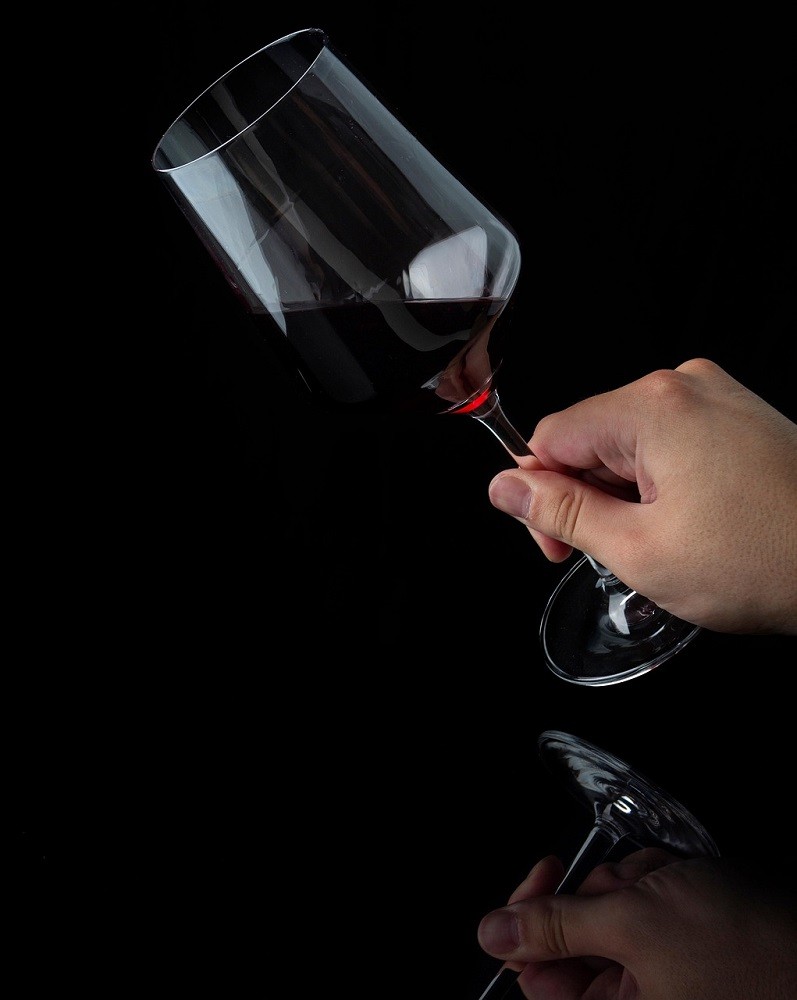
Sniff Before You Sip
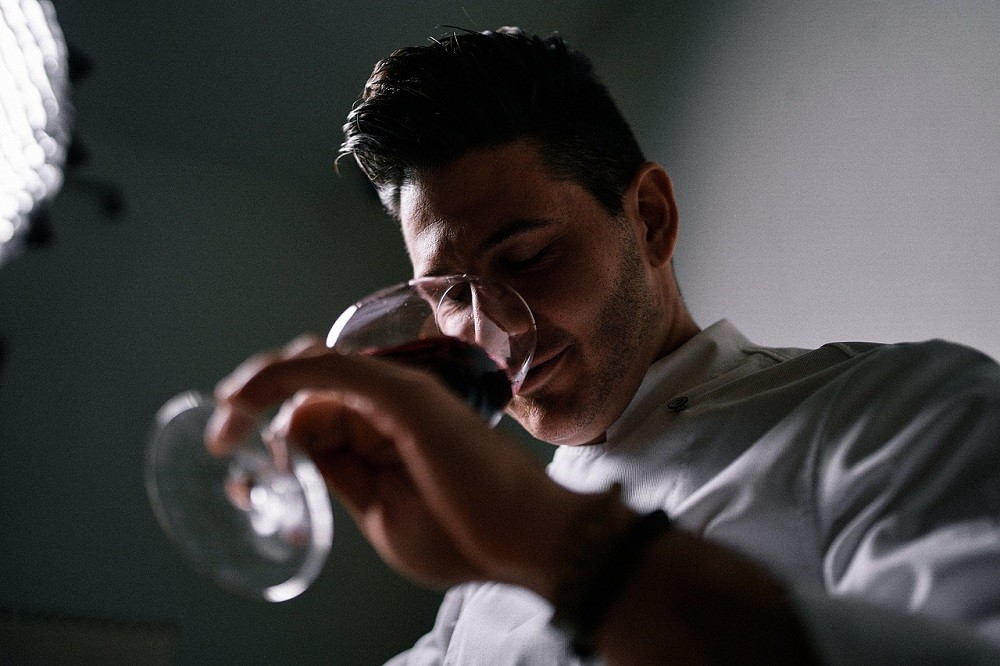
After you have swirled your wine, lower your nose into the glass. This is called 'nosing'. Sniffing then sipping wine can prime your scent receptors for specific notes, which can increase the flavours you taste once the wine hits your tongue. Our sense of smell is responsible for up to 80% of the flavours we taste.
Try not to let your nose or cheeks come in contact with the rim or bowl of the glass. Open your mouth a little bit as you inhale the wine. Drawing air in from both your mouth and nose at the same time creates better airflow, intensifying the aromas in the wine.
After sniffing, pull your head back and exhale through your nose or mouth but not both. Focus on what aromas you smell. Can you detect any specific notes? Is it sweet? Fruity? Spicy? Go back in for another sniff or two before taking a sip.
Pace Yourself
Wine is meant to be savoured, not thrown back like a shot. Take small sips to really appreciate the complex flavours and aromas the vineyard spent years developing. Let the wine sit on your tongue or a second or two before swallowing.
Be mindful of how fast you drink. If you are in a formal setting like dinner with your boss or at a wedding, match your drinking speed with those around you. If the people seated by you are drinking faster than you, do not feel pressured to keep up. Take your time and enjoy the drink.
Take Small Sips From The Same Spot On Your Wine Glass
To avoid lip (and lipstick) stains on your glass, try to sip from the same spot every time. If you are wearing lipstick, you can wipe the rim of the glass after you sip if you so choose.
If you want to enhance your tasting experience, gently swish and roll the wine around your mouth using your tongue and cheeks. Ask yourself what flavours you can detect. Are there notes of spices? Woods? Can you taste any fruits like cherries or plums? What about sweet notes like vanilla?
Know How To Politely Decline More Wine
There are many ways to politely decline more wine. You can say "No, thank you, I have had enough.", "No more for me, I have to drive.", or "I'm fine for now.". You can also use verbal cues like covering the top of your glass with your palm, holding your palm vertically, or gently shaking your head from side to side.
Do not feel obligated to drink more wine if you do not want to. Setting boundaries is not rude, especially when drinking. NEVER drink and drive. If you plan on drinking, plan an alternative way to get home or spend the night if possible.
If someone pours you more wine without you realizing, kindly inform them by saying "Sorry, I did not want any more" or "I don't think I can finish this. Please take it back." Do not feel coerced into drinking it just because someone poured it for you.
How To Deal With Bad Wine (And How To Return It)
You may find yourself with a glass of wine you simply don't like. Maybe the taste is off, or you wanted to try something new then realized it isn't what you thought it would be. Regardless of the situation, there is a polite way to express your displeasure without hurting anyone's feelings.
If you were served bad wine in a casual setting like a family gathering or amongst friends, you can politely tell the person that poured the wine that you think the flavour may be off and ask them to inspect it with you. Do not accuse them of pouring bad wine or not testing the wine before serving it.
If they poured you a wine that you are not a fan of, you can tell them "My taste buds aren't working this evening." or "This wine is not agreeing with me. Do you have anything else?" Keeping the comment neutral relieves any regret they might feel for pouring you something you did not enjoy.
If you were served a bad wine at a restaurant, notify the waitstaff looking after you or the sommelier that served the wine. Inform them of why you think it may be bad. Does it smell off? Taste sour? Is there something floating in your glass?
For more tips on dealing with returning food at restaurants, read our article How To Politely Return An Unwanted Dish.
Summary
Wine is often misunderstood, leaving experiences, flavours, and aromas undiscovered and unappreciated. Respecting the craft, nuances, and etiquette surrounding wine allows you to truly appreciate what goes into a good bottle and how to enjoy it in good company.
Learn more valuable etiquette tips by reading these articles next:
When you subscribe to the article, we will send you an e-mail when there are new updates on the site so you wouldn't miss them.
Article's Categories

Most Popular Articles


Article Latest Comments

Comments