

The Esteemed Gentleman Articles
10 Ways To Quickly Build Rapport
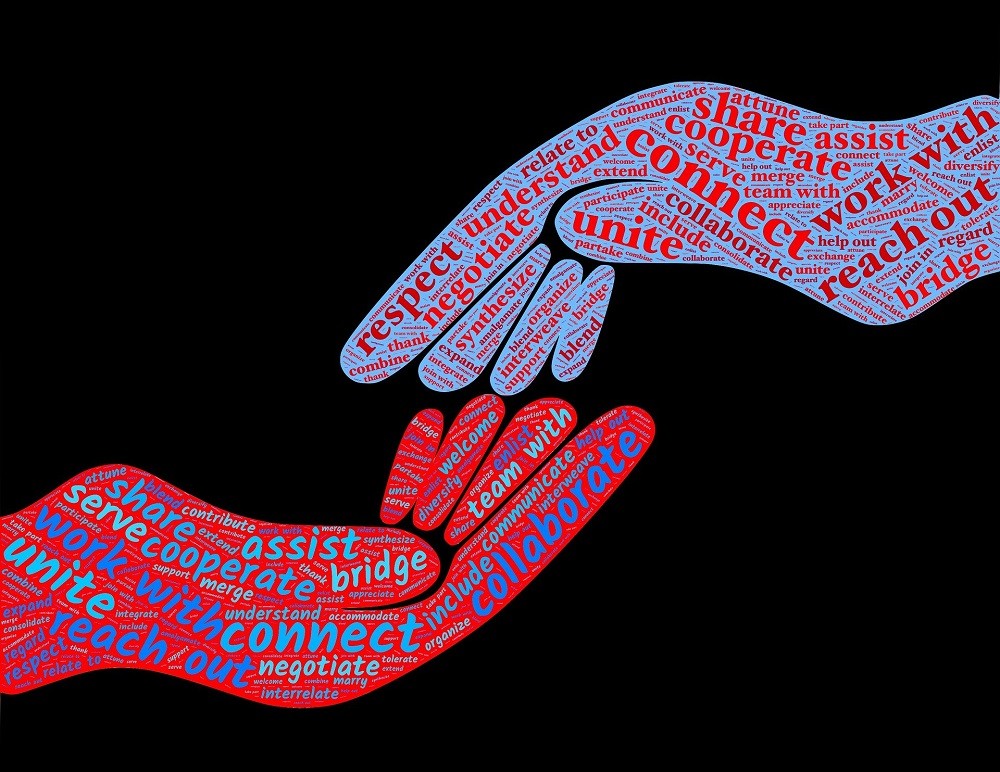
Building rapport can be like a chess match: one small lapse of judgement can cost you the entire game. It does not have to be like that. Using the tips below you can create lasting impressions, form new relationships, build up established relationships, and strengthen your charisma and character in the process.
Whether you are meeting someone for the new time, reigniting an old friendship, or just trying to survive another company Christmas party, build rapport will help you to stand out and be more memorable.
Build Rapport By Being Welcoming
When you meet someone, whether it's for the first time or the millionth, always greet them with a sincere smile. If you are in a professional setting, a strong handshake and eye contact are important.
Tell the person you are glad to meet them; it will make your time together feel more significant. If you have met the person before, say their name. If not, introduce yourself.
When you give someone a warm welcome, they will feel more relaxed around you. This can make a big difference while on a date or during an important event like a job interview or meeting. A good first impression will leave others feeling positive about the entire encounter.
Find A Common Interest
Finding a common interest with a person is like opening the door to their heart. People love talking about their passions, dreams, and interests. Start with broad subjects like sports, music, or even their career.
As the conversation continues, ask open-ended questions. 'Who', 'what', 'where', 'when', and 'how' are great types of questions to ask. Stay away from 'why' questions as they may come across as judgmental and could cause the other person to become defensive.
Be aware of your tone of voice when asking questions. You could come across as condescending or dismissive, which can turn the conversation into an argument quickly.
Remember Their Name(s)
Dale Carnegie says the sweetest, most important sound a person can hear is their own name. Saying their name at the beginning and ends of the conversation can help create a bond with the other person.
A great way to remember someone's name is to associate them with a celebrity that shares the same name. Another way is to connect their name to a unique quality or a special interest they have. If Dave from accounting loves skinny dipping, create a mental bridge between those two thoughts. Don't think about it too much.
For more tips on remembering names, read our article 16 Easy Ways To Help You Remember Names.

Making Eye Contact Helps Build Rapport
Eyes are the window to the soul, but you're not here to steal it. When you are speaking to or listening to someone, look into their eyes. A general guideline would be to maintain eye contact 60-70% of the time. Less and you look like you're not interested or you have something to hide (i.e. shifty eyed); more and they may be intimidated.
If you have trouble looking people in the eyes, look at their eyebrows or ears. It's close enough to their eyes that they won't be able to tell. Some cultures outside of the western world find eye contact to be rude, so be aware that not everyone will be open to eye contact.
Build Rapport By Being A Good Listener
We all love to talk about our achievements, how we overcame adversity, and how interesting our lives are. Sometimes it's better to sit back and let someone else do the talking.
People, in general, love to talk about themselves. When you attentively listen to what others have to say, you are creating a strong connection with that person. Also, be open to other views and be aware that everyone walks the road of life differently.
It may be difficult to avoid interjecting to build on the speaker's thoughts in the moment, but bite your tongue and wait your turn. Let the other person finish their thought before you speak. Constant interruption shows that you aren't listening but are instead waiting for your chance to speak. We have two ears and one mouth for a reason.
Build On Their Thoughts
Building off the last point, when you listen closely to what the other person has to say, you can take that information and expand on it. If they talk about their favourite sports team, you can tell them about your own favourite team. If you share a similar dislike for something, let them know too.
Avoid weaponizing the conversation. A gentleman never spreads gossip or intentionally says hurtful things.
When it is your turn to speak, summarize what the person just said to show you were paying attention. Build on the idea and add your own input. It is okay to disagree with someone, as long as you don't insult their view.
Sometimes it's best to agree to disagree. This can provide a great chance to understand and ask questions about other perspectives.

Body Language Is Key When Building Rapport
If you slump your shoulders and cross your arms, you immediately show others that you would rather not engage with them. Instead, straighten your back, roll your shoulders a bit to broaden your chest, hold your head high (even slightly above level), and keep your arms to your sides. This shows others that you are confident, esteemed, and respectable.
Keep your phone away. A visible phone signals to others that you'd rather be with your screen than with them. This is commonly referred to as 'phubbing', and it can ruin relationships.
Be aware of your hands. Hands can be highly expressive, so don't keep them in your pockets. At the same time, if you tend to talk with your hands, try to keep them within shoulder width to avoid accidentally elbowing someone.
When you speak with someone, you may pick up on their mannerisms and body language. This is normal. Psychologically, we tend to mimic our conversation partners as a form of connection and attraction. Mirroring someone's body language is an effective way to communicate nonverbally with them.
Authenticity Builds Rapport
Don't make up stories about yourself to sound interesting. It is a lot harder to remember details of a lie than it is to tell the truth. You may think your life is boring, but to someone else it may be thrilling. It is okay to advertise yourself and exaggerate a bit, but keep it realistic. If you love hiking, telling someone you reached the summit of Mount Everest in a day will raise eyebrows.
If you tell someone you are an expert in a subject, be prepared to back up your claim or you will look like a fool. It is okay to admit that you don't know something, so use that as a springboard to learn more.

Make Them Laugh
A good joke can break the ice. Whether it's a witty one-liner or a snarky take on a current event, humour can be a great way of showing that you are open and attentive to the world around you.
Self-deprecating humour can be used, in moderation, to show that you are able to admit when you are wrong and brush off criticisms. Don't over-do it, or you may give off the impression that you think too little of yourself.
Remember to be tasteful. Don't make fun of the person you are speaking to, especially how they look or how they talk. If you don't know the person that well, avoid polarizing topics like political or religious jokes and dark humour. Not everyone has the same sense of humour, so tread lightly until you know them better.
Dress With Intention
When you look well-kept, people see you as more inviting. Psychological studies have proven that people who take care of their appearance are generally viewed as more intelligent than those who look sloppy.
This does not mean wearing a three-piece suit all the time, but putting a bit of effort into your appearance will make you look and feel better. A simple upgrade like a polo rather than a t-shirt, or dark-wash rather than light-wash jeans, will make you look more alluring.
It is better to overdress than to underdress. You can remove layers if the event is more casual, but adding layers is impossible if the clothes are at home and you are not.

Bonus: Don't Overshare
Sometimes we get overly excited when we talk about our interests. If you notice that the person you are speaking with is not giving you their full attention, that is a sign to change the subject.
Be aware of oversharing. This includes gossip (no matter how juicy), intimate thoughts, drama, and personal issues. Unless you are extremely close with the other person, sharing that kind of information can be seen as unprofessional.
It's best to talk about topics you are comfortable with, and to say no if someone tries to pry information from you. 'No' is a complete sentence.
Summary
Navigating today's social landscape can be difficult. Incorporating these tips to build rapport will help you to develop stronger relationships with others and to become more trustworthy. Developing these skills will benefit all areas of your life where you interact with other people.
Want more personal development tips? Read these articles next:
When you subscribe to the article, we will send you an e-mail when there are new updates on the site so you wouldn't miss them.
Article's Categories

Most Popular Articles



Article Latest Comments

Comments